Restaurant Technology · Uncategorized
Restaurant Tech 101: A Beginner’s Guide to Mastering Eco-Friendly Restaurant Profit in Under 2 Weeks
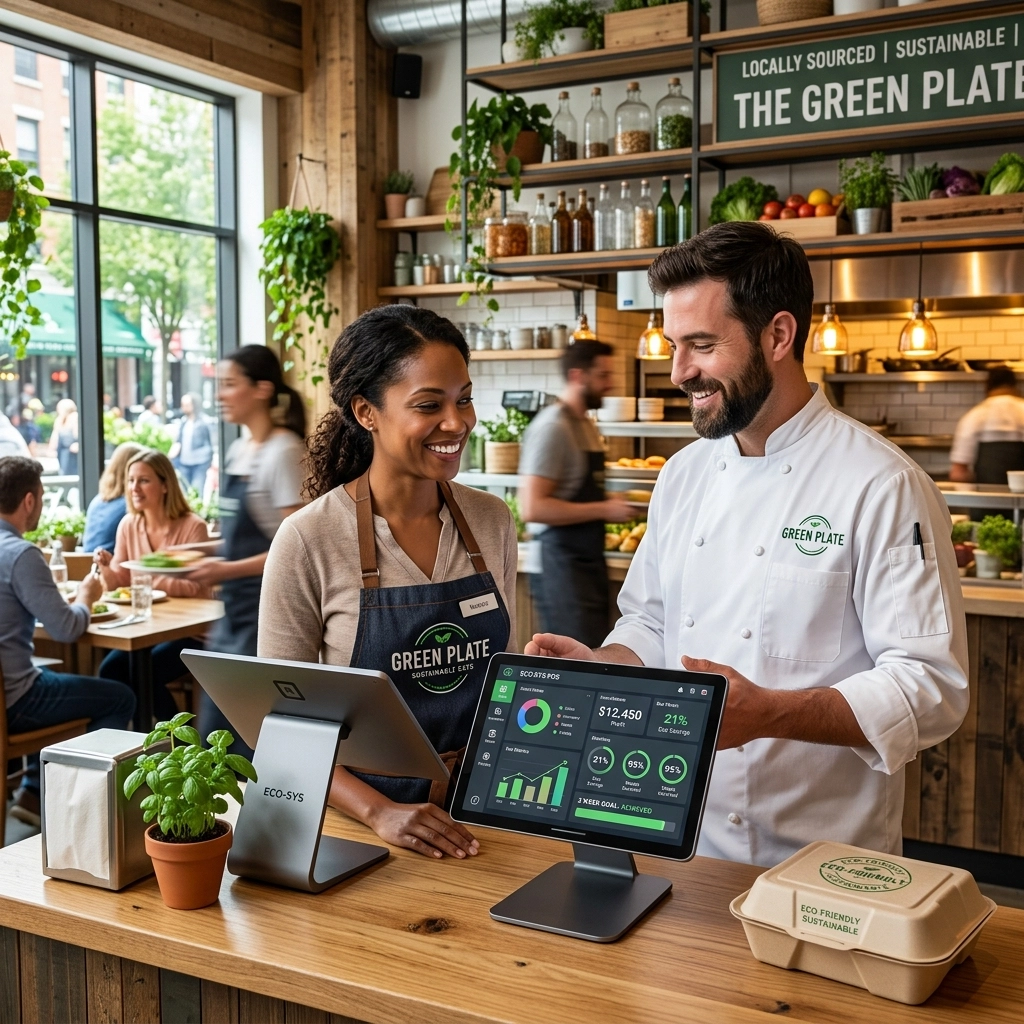
Let’s be honest: when most restaurant owners hear the word “eco-friendly,” they don’t see green trees; they see red ink. There’s a persistent myth in this industry that sustainability is a luxury, a high-end hobby for bistro owners with too much time and a trust fund.
I’m Robert, the Affiliate Booster here at Restaurant Revenue Incubator, and I’m here to tell you that if you think going green is too expensive, you’re essentially leaving a suitcase of cash on the sidewalk and hoping nobody takes it.
We’re talking about the Triple Bottom Line: People, Planet, and, most importantly for your survival, Profit. You can actually kickstart a massive shift in your margins by going green, and you can do the heavy lifting in under 14 days. No, you don’t need a degree in environmental science. You just need a strategy and the right tech stack.
The 14-Day "Eco-Profit" Sprint
Why two weeks? Because in the restaurant world, if a project takes longer than a month, it usually ends up buried under a pile of broken glass and unfiled invoices. We need quick wins.
According to industry data, restaurants implementing comprehensive sustainability programs report an average of 5-11% cost savings. In an industry where a 10% margin is considered a triumph, doubling that through efficiency isn't just "nice": it's a game-changer.

Week 1: The Low-Hanging (and Energy-Sucking) Fruit
The first seven days are about stopping the bleeding. You can’t build a sustainable empire if your utility bills are hemorrhaging cash.
Days 1-3: The Energy Audit & Lighting Flip
Did you know that switching to LED lighting can reduce your utility bills by up to 30%? It sounds boring, but the ROI is astronomical. Most incandescent bulbs are basically tiny heaters that occasionally emit light. You’re paying for the light and paying your AC to fight the heat they create. Flip the switch to LEDs.
While you're at it, look at your Energy Star ratings. Swapping out one old reach-in for an Energy Star-rated model can save $75-$250 per year per unit. If you’re worried about the initial investment, check out our cost reduction strategies. We specialize in finding these savings without the upfront headache.
Days 4-7: The War on Food Waste
For every $1 a restaurant invests in reducing food waste, they save an average of $7. That’s not a typo. That’s a 700% return.
Start by identifying "waste-to-profit" items. Are you throwing away broccoli stems? Shred them for a slaw. Are you tossing lemon peels? Use them for house-made infusions or zest. One restaurant in Seattle saw a 4% drop in total food costs simply by implementing a "Zero-Waste Wednesday" menu.
Check your revenue optimization data. If your POS shows you’re prep-heavy on items that end up in the bin by 10 PM, your tech isn't talking to your kitchen. Fixing that sync is a Day 6 job.
Week 2: Tech Integration & The Conscious Diner
Now that we’ve plugged the leaks, we’re going to use tech to drive new revenue.
Days 8-10: Smart Water & Supply Chain
Install low-flow faucets. It costs about fifty bucks and can cut your water bill by 20%. Next, look at your sourcing. Transportation emissions represent a massive chunk of your carbon footprint. By sourcing locally, you can cut transportation-related emissions by up to 90%.
But here’s the kicker: local sourcing is a massive marketing tool. 73% of consumers consider environmental sustainability when choosing where to eat. When you buy from a farm in Akron, OH or Albuquerque, NM, you aren't just buying a tomato; you're buying a story that justifies a higher menu price.
Days 11-14: Optimizing the Tech Stack
This is where the "Mastering" part comes in. You need a tech stack that monitors your inventory in real-time. If you’re still using a clipboard and a prayer to track your walk-in, you’re losing money.
Automated inventory systems (part of our full tech stack leadership program) use AI to predict exactly how much sourdough you’ll need on a rainy Tuesday. This prevents over-ordering, reduces waste, and keeps your cash flow liquid.

The Psychology of the Eco-Conscious Diner
Sustainability isn’t just about saving money on the back end; it’s about attracting the "Conscious Diner." These people are the best customers you can have. They have higher-than-average disposable income, they are incredibly loyal, and they do your marketing for you on Instagram.
A London-based bistro saw a 15% spike in foot traffic within months of switching to compostable takeout boxes and advertising their commitment to a plastic-free kitchen. Why? Because people like feeling good about where they spend their money.
If you want to capture this audience, your digital presence needs to reflect your values. Our restaurant websites and brand design team can help you bake your eco-credentials into your digital DNA, ensuring that when someone searches for "sustainable eats," you're the first name they see.
How "No Upfront Cost" Changes the Game
I get it. You’re reading this and thinking, "Robert, this sounds great, but I'm currently trying to decide between paying my meat purveyor and fixing the dishwasher."
That’s where Restaurant Revenue Incubator is different. We operate on a "No Upfront Cost" model for our turnaround services. We don't want your money today; we want to help you make more money, and then we take a piece of the improvement.
Whether you need alternative funding to bridge the gap while you upgrade your appliances or front-to-back operations support to retrain your staff on waste management, we put our skin in the game.

Scaling the Concept
Once you’ve mastered the eco-profit model in one location, you’ve created a blueprint. Sustainability is incredibly scalable because it relies on efficiency and standardization.
If you’re looking to take your green concept to the next level, our restaurant franchise consulting can help you package those low-waste processes into a model that works in any city. Imagine a franchise where every location is 10% more profitable out of the gate because the energy and waste efficiencies are built into the SOPs. That’s not just a restaurant; that’s a money-printing machine that happens to serve great food.
Summary: Your 2-Week Checklist
- Day 1-3: Swap all bulbs to LED. Check seals on walk-ins.
- Day 4-7: Audit trash cans. Identify the top 3 wasted ingredients and create a "re-use" plan.
- Day 8-10: Install low-flow faucet aerators. Call two local farmers.
- Day 11-14: Audit your POS. Does it track waste? If not, contact us to upgrade your tech.
- Ongoing: Update your menu and website to shout about these changes.
Final Thoughts: Don't Be a Dinosaur
The restaurant industry is changing. The days of "big, cheap, and wasteful" are ending. The future belongs to the lean, the green, and the tech-savvy.
Mastering eco-friendly restaurant profit isn't about saving the world (though that’s a nice side effect); it’s about saving your business. By focusing on the Triple Bottom Line, you ensure that your restaurant is resilient, profitable, and respected in your community.
If you’re ready to stop guessing and start growing, check out our services. Let’s turn those "eco-costs" into "eco-profits" together.
See you on the green side,
Robert
Affiliate Booster, Restaurant Revenue Incubator