Restaurant Technology · Uncategorized
Restaurant Sustainability Cost Savings Matters: Why Being Eco-Friendly is the Ultimate Margin Hack
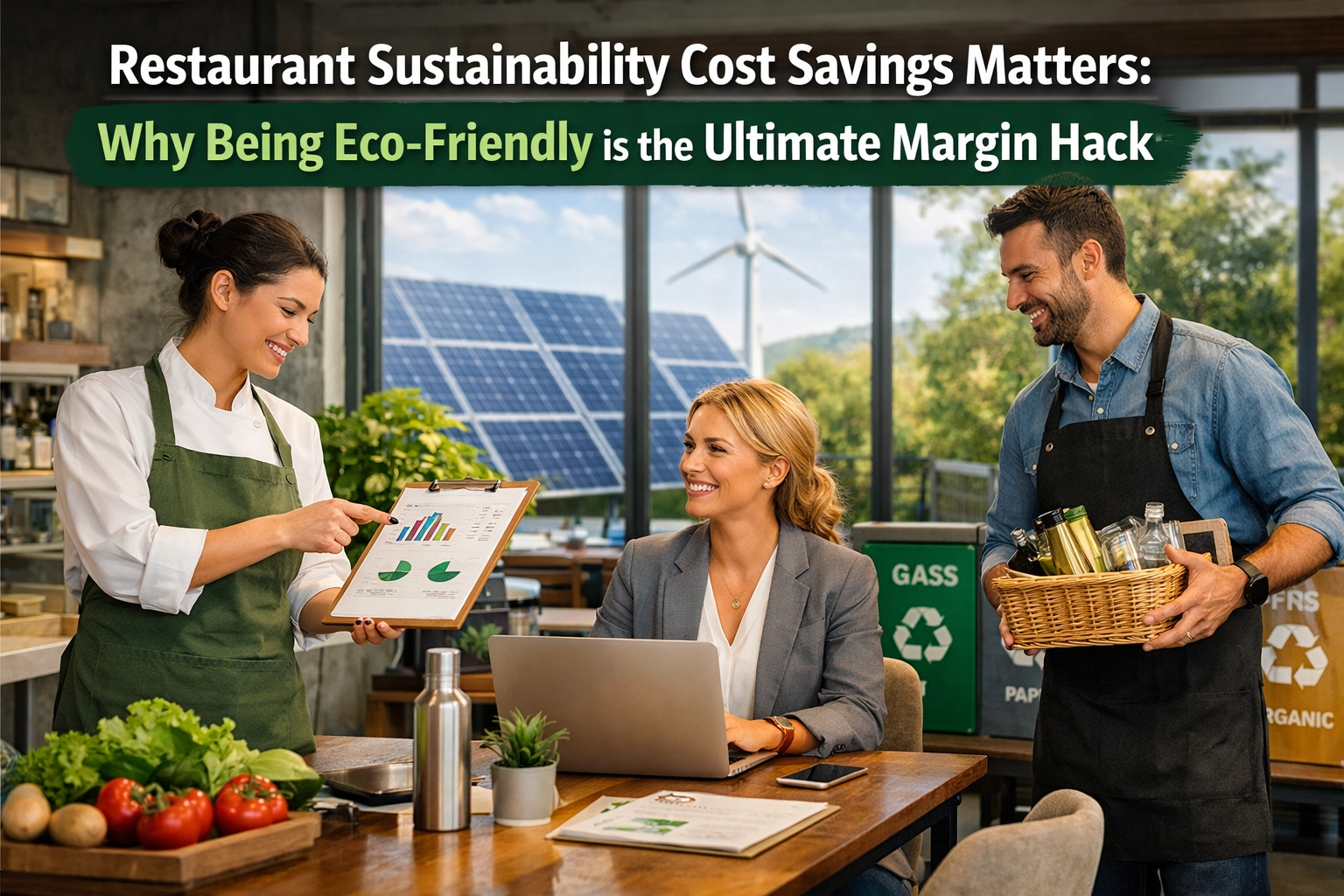
If you think sustainability in the restaurant world is just about swapping plastic straws for those paper ones that turn into a soggy mess before the customer finishes their drink, we need to talk.
In the high-stakes, low-margin world of hospitality, "being green" has traditionally been viewed as an expensive PR stunt, a luxury for high-end bistros with $40 appetizers and a garden on the roof. But here’s the reality: sustainability is actually the ultimate margin hack.
At Restaurant Revenue Incubator, we’ve seen it firsthand. When you focus on the "Triple Bottom Line", People, Planet, and Profit, you aren't just saving the polar bears; you’re saving your bank account. Sustainability is less about virtue signaling and more about operational efficiency. If you’re looking for a way to slash overhead without compromising on the guest experience, going eco-friendly is your secret weapon.
The Triple Bottom Line: Why Profit is the "Greenest" Part of Green
Before we dive into the nitty-gritty of LED bulbs and compost bins, let's look at the framework. The Triple Bottom Line suggests that a business should be measured by more than just its net income. It includes:
- People: Your staff and your community.
- Planet: Your environmental footprint.
- Profit: Your actual, cold-hard-cash margins.
The magic happens where these three intersect. When you reduce waste, you increase profit. When you treat your people well and involve them in these initiatives, you reduce turnover (which is a massive cost-saver). When you protect the planet, you appeal to the growing demographic of diners who will literally choose your competitor over you if they think you’re being wasteful.
The $1 to $7 ROI: The Food Waste Goldmine
Let’s talk about the trash can. For the average restaurant, that bin is basically a shredder for your hundred-dollar bills.
Research shows that for every $1 invested in reducing kitchen food waste, restaurants save an average of $7 in operating costs. Name another investment in this industry that gives you a 700% return. We’ll wait.
Food waste happens in three stages: over-purchasing, prep waste, and plate waste. By implementing a strict waste-tracking system, something we emphasize in our revenue optimization strategies, you can identify exactly where your money is disappearing.
- Purchasing Discipline: Are you ordering three cases of kale because it’s "on special" only to throw half of it away four days later?
- Portion Optimization: If 40% of your fries are coming back on the plate, you aren't being generous; you’re being wasteful. Shrink the portion, save the cost, and watch your margins climb.
- Composting: While it sounds like extra work, many municipalities charge less for compost pickup than for general trash.

Stop Flushing Money (Literally)
Water is one of those utility costs that most operators just accept as "the cost of doing business." It shouldn't be. Water efficiency provides some of the fastest ROI in the sustainability playbook.
According to data, installing a water-efficient pre-rinse spray valve (the thing your dishwasher uses to blast plates) can save about $400 annually per unit. Add in low-flow aerators on bathroom sinks, and you’re looking at another $188 per year.
For a single-unit restaurant, these tiny changes can add up to over $1,000 in annual savings with an upfront investment of… basically nothing. If you’re running a multi-unit operation, these numbers become a significant line item on your P&L.
If you're wondering how to fund these upgrades, check out our alternative funding for restaurants page. We help you find the capital to make these "no-brainer" switches.
Watts and Cents: The Energy Efficiency Revolution
Energy is usually the second or third largest controllable expense in a restaurant. Your walk-in cooler, your HVAC, and your line equipment are energy vampires.
- ENERGY STAR is your best friend: Appliances with this certification can reduce energy consumption by 20%.
- The "Vampire" Load: Are your ovens running at 400 degrees three hours before service starts?
- HVAC Optimization: This is a big one. Sensors that adjust temperature based on occupancy can slash bills during the "dead zones" between lunch and dinner.
Think bigger: Solar panel installations typically pay for themselves in about seven years. After that? You’re getting free electricity for the next two decades. That is a massive competitive advantage when your neighbor is still paying $3,000 a month to the power company.

Attracting the Eco-Conscious Diner
Sustainability isn't just about cutting costs; it’s about driving new customers.
The modern diner, specifically Gen Z and Millennials, is voting with their wallets. They want to know where their food comes from and what you’re doing with the leftovers. A restaurant that markets its sustainability efforts (honestly, no greenwashing please) builds a level of brand loyalty that "Buy One Get One" coupons can’t touch.
When you use local suppliers, you aren't just getting fresher produce; you’re reducing the carbon footprint of your supply chain and supporting the local economy. It’s a story you can sell. It’s a reason for a customer to choose you for their Friday night dinner.
The Operational Efficiency Playbook
At Restaurant Revenue Incubator, we don't just talk about "vibes." We talk about cost reduction.
When we step into a restaurant for a turnaround, one of the first things we look at is the "hidden" waste. This includes:
- Bulk Purchasing: Moving away from single-use disposables to reusable items or bulk-dispensed condiments.
- Tech Stack: Using AI and automation to predict demand, so you don't over-prep. Check out our full tech stack leadership to see how we integrate these tools.
- Menu Engineering: Creating "cross-utilization" across the menu to ensure every ingredient is used to its full potential.

No Upfront Cost: The RRI Difference
We know what you’re thinking. "Robert, this sounds great, but I don’t have $50,000 to overhaul my kitchen right now."
That’s where we come in. Our specialty is the "No Upfront Cost" turnaround. We don't believe you should have to go further into debt to become more profitable. We work with you to identify these sustainability margin hacks, implement them, and share in the success.
Whether you are in Akron, OH or Albuquerque, NM, the principles of the Triple Bottom Line apply. Reducing waste is universal.
The Bottom Line
Sustainability isn't a trend; it's the future of the industry. As utility costs rise and food prices fluctuate, the restaurants that survive and thrive will be the ones that have mastered the art of doing more with less.
By focusing on the Triple Bottom Line, you’re not just being a good "corporate citizen." You’re building a more resilient, more profitable, and more scalable business.

Ready to stop throwing money in the trash? Let’s look at your operations and see where we can find those hidden margins. Whether it’s through front-to-back operations support or a complete brand redesign at restaurant-websites-brand-design, we’re here to help you grow.
The greenest thing in your restaurant should be the stack of cash you’re saving on overhead.
Want to see how much you could be saving? Contact us today for a consultation. No upfront costs, no fluff: just revenue.