Restaurant Technology · Uncategorized
Triple Bottom Line Restaurants: 10 Sustainability Hacks That Actually Save You Money
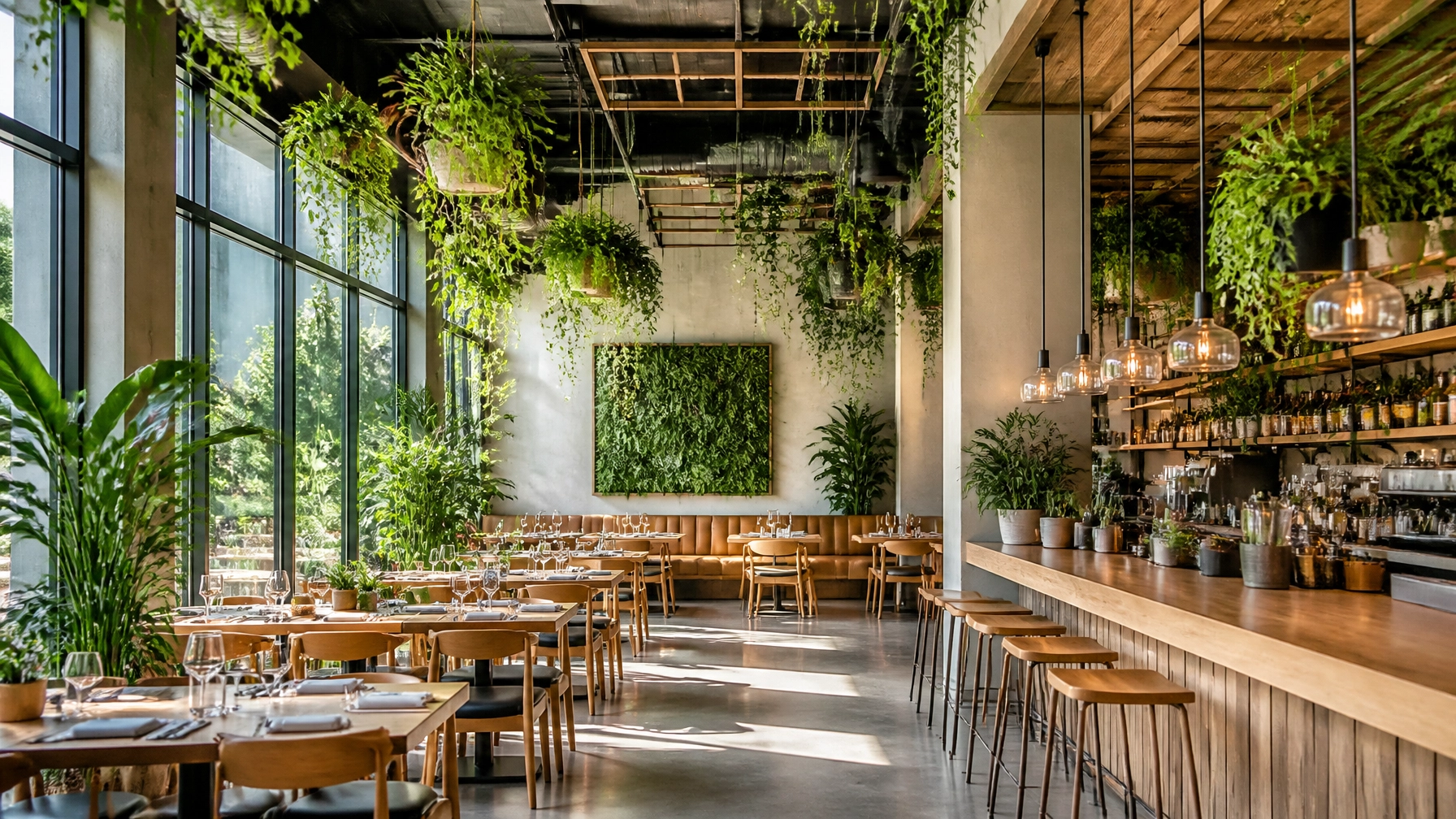
In the high-stakes world of hospitality, "sustainability" often sounds like an expensive buzzword: something you do when you have too much profit and want to feel good about your carbon footprint. But here’s a secret that the most successful operators already know: True sustainability is the ultimate profit hack.
At Restaurant Revenue Incubator, we focus on the Triple Bottom Line (TBL): People, Planet, and Profit. If a "green" initiative doesn’t eventually lead to a "green" bank account, we aren't doing it right. The goal isn’t just to save the planet; it’s to build a resilient, efficient, and highly profitable business that scales.
Whether you're looking for cost reduction strategies or trying to prep your brand for franchise development, these 10 sustainability hacks will help you trim the fat (literally and figuratively) without spending a dime in upfront retainers if you partner with us.
1. The "7x Return" Food Waste Audit
Did you know that for every $1 a restaurant invests in reducing food waste, they save an average of $7 in operating costs? That’s a 600% ROI. If you saw those numbers in the stock market, you’d mortgage your house to buy in.
Start by tracking what’s going into the bin. Is it prep waste? Over-portioning? Spoilage? By running a simple food-waste audit, you’re not just being eco-friendly; you’re identifying exactly where your margin is leaking onto the floor.

2. LED Lighting: The "Set and Forget" Profit Maker
Switching to LED lighting isn't just about "better vibes" (though the lighting is definitely better). LEDs use 75–90% less energy than traditional bulbs. In a 3,000-square-foot restaurant, this simple switch can save thousands of dollars annually on utility bills. Plus, they last years longer, meaning your manager isn't spending half their Tuesday on a ladder changing bulbs.
3. The 60-Second Aerator Retrofit
If you want to save $1,000 this year with about five minutes of work, buy some high-efficiency faucet aerators and pre-rinse spray valves. These tiny gadgets cost pennies but can reduce water usage by up to 20%. When you consider the cost of heating that water, the savings double. It’s one of the easiest revenue optimization moves you can make.
4. Menu Engineering: Root-to-Stem Creativity
Food waste isn't just a kitchen problem; it's a design problem. "Root-to-stem" cooking uses the parts of the vegetable we usually throw away (think broccoli stalks for slaw or carrot tops for pesto). This isn't just "scrappy" cooking: it’s high-level creative and branding optimization. It lowers your Cost of Goods Sold (COGS) while giving your marketing team a great "zero-waste" story to tell.

5. The "Off" Switch Discipline
We’ve all seen it: the line cook who turns on every fryer, oven, and broiler at 9:00 AM for an 11:30 AM open. Shutting down just one piece of equipment for 30 minutes a day can save $100 per year. Multiply that by ten pieces of equipment, and you’ve just found a grand for the holiday bonus pool. It’s about leadership and culture: teaching your team that "Profit" is a team sport.
6. Ditch the Bottled Water
Selling bottled water is great for margins, but the logistics are a nightmare. You have to order it, store it, chill it, and then pay someone to haul away the empty glass or plastic. Switching to a high-end in-house filtration and carbonation system allows you to charge a premium for "House-Filtered Sparking Water" with nearly 100% margin and zero waste.
7. Reusables Over Disposables
If you’re still using plastic cutlery and paper plates for in-house dining, you’re literally throwing money in the trash. One operator we studied saw a 70% drop in cutlery costs after switching to reusables and implementing a better "trash-guard" system (to stop spoons from being accidentally tossed). Over a year, that pays for a lot of dishwasher cycles.
8. Smart Thermostats & HVAC Maintenance
Your HVAC is likely the biggest energy hog in your building. A smart thermostat that automatically adjusts during non-peak hours can slash your bill by 10-15%. Pair this with a quarterly coil cleaning, and you’ll extend the life of your unit by years. This falls under our front-to-back operations support, where we look for the "invisible" costs that eat your profit.
9. Staff Retention: The "People" Bottom Line
This is the most overlooked part of the Triple Bottom Line. The cost of losing and replacing a single line cook is estimated at over $5,000 when you factor in recruiting, training, and lost productivity. A sustainable restaurant isn't just green; it's a place where people want to work. Investing in a positive culture, fair pay, and growth opportunities isn't just "nice": it’s a financial imperative.

10. Tech Stack Optimization
Are you using AI to predict your prep levels? If not, you’re likely over-prepping (waste) or under-prepping (lost sales). A modern tech stack can sync your inventory with your POS, telling you exactly when to order and how much to prep based on historical weather patterns, local events, and past sales.

The Restaurant Revenue Incubator Difference
Most consultants will charge you a $10,000 retainer just to look at your P&L. We think that’s insane.
At Restaurant Revenue Incubator, we take a risk-free approach. We provide comprehensive growth solutions: from alternative funding (capital in exchange for F&B credits) to full-scale operational turnarounds: and we only ask for a share of the results we create.
Our Promise:
- No Upfront Cost: We review your tech stack and P&L for free.
- Rapid Results: We can deliver insights and start a turnaround in under 2 weeks.
- 50+ Years of Experience: Our leadership has scaled everything from chef-driven concepts to public restaurant groups.
If you’re ready to stop "leaving money on the table" and start building a Triple Bottom Line powerhouse, let’s talk. Sustainability isn't a chore; it’s your competitive advantage.