Restaurant Technology · Uncategorized
Nashville Chef Spotlight: Sean Brock's Playbook for Turning Southern Heritage into a Modern Restaurant Brand
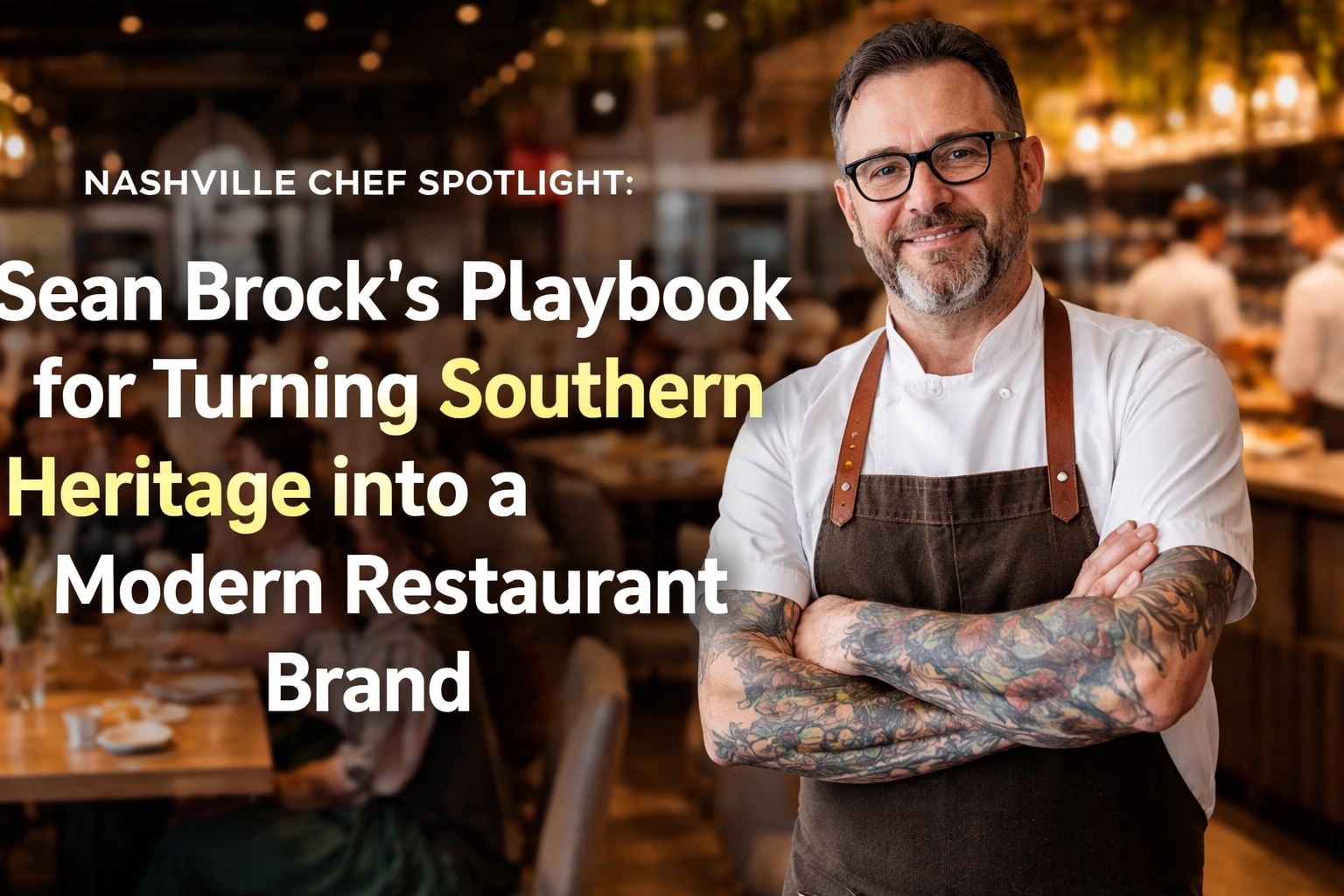
If you're a restaurant owner looking for a masterclass in turning regional cuisine into a nationally recognized brand, Sean Brock wrote the playbook. The James Beard Award-winning chef has done something remarkable: he's taken Appalachian and Southern cooking: food that was once dismissed as "country fare": and elevated it to fine-dining status without losing its soul.
His Nashville restaurants, Audrey and June, aren't just places to eat. They're case studies in how heritage, storytelling, and strategic positioning can transform a restaurant into a destination. And the lessons here? They apply whether you're running a 12-seat tasting menu spot or a 200-seat casual concept.
Let's break down what makes Brock's approach work: and how you can apply his strategies to your own operation.
The Foundation: Heritage as a Brand Asset
Here's the thing about Sean Brock: he didn't just decide Southern food was "trending" and jump on the bandwagon. He grew up in rural Virginia, learning to cook from his grandmother Audrey. Those early lessons in preserving, fermenting, and working with what the land provides became the foundation of everything he does today.
Audrey, his flagship fine-dining restaurant in Nashville, is literally named after her. That's not just sentimentality: it's strategic. When your brand has a genuine origin story, guests aren't just buying a meal. They're buying into a narrative. They're experiencing something that feels real in an industry full of manufactured concepts.

The takeaway for operators? Your heritage: whether it's a family recipe, a regional specialty, or a personal journey: is a differentiator that chains can't replicate. Lean into it.
The Multi-Concept Strategy: Same Chef, Different Occasions
Brock doesn't put all his eggs in one basket. His Nashville portfolio spans the dining spectrum:
- Audrey (https://www.audreynashville.com) – The flagship. A refined, tasting-menu-driven experience celebrating Appalachian ingredients and traditions.
- June (https://www.junenashville.com) – A more accessible neighborhood spot with Southern-inspired comfort food and a relaxed vibe.
- Joyland – A fast-casual concept bringing his culinary philosophy to the drive-thru crowd.
- Bar Continental – A vinyl listening lounge that merges high-end audio with elevated bar food.
This isn't brand dilution. It's strategic market coverage. Each concept serves a different customer occasion while reinforcing the same core identity: Sean Brock cares about Southern food, and he's going to make it exceptional at every price point.
For operators: Consider how you might extend your brand into adjacent concepts without losing your identity. Can your upscale concept spin off a casual lunch spot? Can your fast-casual brand support a catering arm or retail product line?
The Sourcing Strategy: Hyper-Local as a Competitive Moat
Walk into Audrey and you'll encounter ingredients most diners have never heard of: heirloom grains like Jimmy Red corn, Tennessee sorghum, heritage breed pork, and foraged greens from the Appalachian hills.
Brock doesn't just source local ingredients: he's actively involved in preserving and reviving them. He's partnered with seed banks and farmers to bring back crops that nearly went extinct. This creates a supply chain that's virtually impossible to replicate.

The operator lesson here is twofold:
-
Build relationships, not just purchase orders. Brock's farmer partnerships give him access to ingredients his competitors can't get. Your local connections can do the same.
-
Tell the story. A tomato is a tomato until you explain that it's an heirloom variety grown by a third-generation farmer 40 miles away. Then it's an experience.
If you're looking to strengthen your sourcing strategy and supplier relationships, our team at Restaurant Revenue Incubator can help you build systems that turn local sourcing into a true competitive advantage.
Menu Storytelling: Making Guests Care About What They Eat
Brock's menus don't just list dishes: they teach. At Audrey, you'll learn about the history of Southern grains, the traditions behind preservation techniques, and why certain ingredients matter culturally.
This transforms the meal from consumption to education. Guests leave feeling like they learned something, which makes the experience more memorable and more shareable.
Practical applications for your menu:
- Add brief origin stories for signature dishes
- Train servers to share the "why" behind key ingredients
- Use menu descriptions that connect food to place, person, or tradition
- Consider table cards or digital content that deepens the narrative
You don't need a fine-dining budget to do this. Even a casual concept can weave storytelling into the guest experience through server training and thoughtful menu copy.
Reservation Strategy: Creating Demand Through Scarcity
Audrey operates on a tasting-menu format with limited seating. Reservations are released in strategic windows and often sell out quickly. This isn't accidental: it's engineered scarcity that creates urgency and positions the restaurant as a special occasion destination.
For operators considering a similar approach:
- Limit online reservation availability and hold tables for direct bookings
- Create "release day" events that generate social buzz
- Use waitlists strategically to gauge demand and capture contact information
- Consider dynamic pricing for premium time slots (a growing trend in the industry)
If you're exploring revenue optimization strategies, reservation management is one of the highest-impact levers you can pull.
Hospitality Standards: Every Detail Matters
Brock's restaurants are known for impeccable service, but it's not the stiff, formal kind. It's warm, knowledgeable, and deeply intentional. Staff can speak fluently about ingredients, preparation methods, and the cultural significance of dishes.
This doesn't happen by accident. It requires:
- Rigorous hiring for hospitality mindset (not just experience)
- Ongoing education programs for front-of-house staff
- Pre-shift tastings and briefings
- Empowering staff to personalize the guest experience
The ROI on hospitality training is massive. Guests who feel genuinely cared for spend more, return more often, and become evangelists for your brand.
Building a Brand That Outlasts Trends
Perhaps the most important lesson from Sean Brock's playbook is this: he's not chasing trends. He's building something timeless.
While other restaurants pivot to whatever's hot on TikTok, Brock has spent decades deepening his expertise in a single culinary tradition. That depth creates authority. And authority builds a brand that can weather economic downturns, shifting consumer preferences, and industry disruption.
Follow Sean Brock's journey:
- Instagram: https://www.instagram.com/seanbrock
- Audrey Nashville: https://www.instagram.com/audreynashville
- June Nashville: https://www.instagram.com/junenashville
Frequently Asked Questions
What type of cuisine does Sean Brock specialize in?
Sean Brock specializes in Southern and Appalachian cuisine, with a focus on heirloom ingredients, preservation techniques, and dishes rooted in the culinary traditions of the American South.
Where are Sean Brock's Nashville restaurants located?
Audrey is located in the Germantown neighborhood of Nashville, while June is situated in the Wedgewood-Houston area. Both offer distinct dining experiences but share Brock's commitment to Southern heritage.
How can I get a reservation at Audrey?
Reservations at Audrey are released periodically and can be booked through their official website at https://www.audreynashville.com. Due to high demand, it's recommended to book well in advance.
What makes Brock's sourcing approach different?
Brock works directly with farmers and seed preservation organizations to source heirloom and heritage ingredients that are often unavailable through traditional suppliers. This creates a menu that's genuinely unique to his restaurants.
Can smaller restaurants apply Brock's strategies?
Absolutely. The core principles: heritage-driven branding, local sourcing, menu storytelling, and hospitality excellence: are scalable to any size operation. Start with one element and build from there.
Looking to build a brand with staying power like Sean Brock's? Contact our team to discuss how we can help you develop sourcing strategies, revenue optimization systems, and brand positioning that sets you apart.