Restaurant Technology · Uncategorized
How to Choose the Best Tech Stack for Eco-Friendly Restaurant Profit
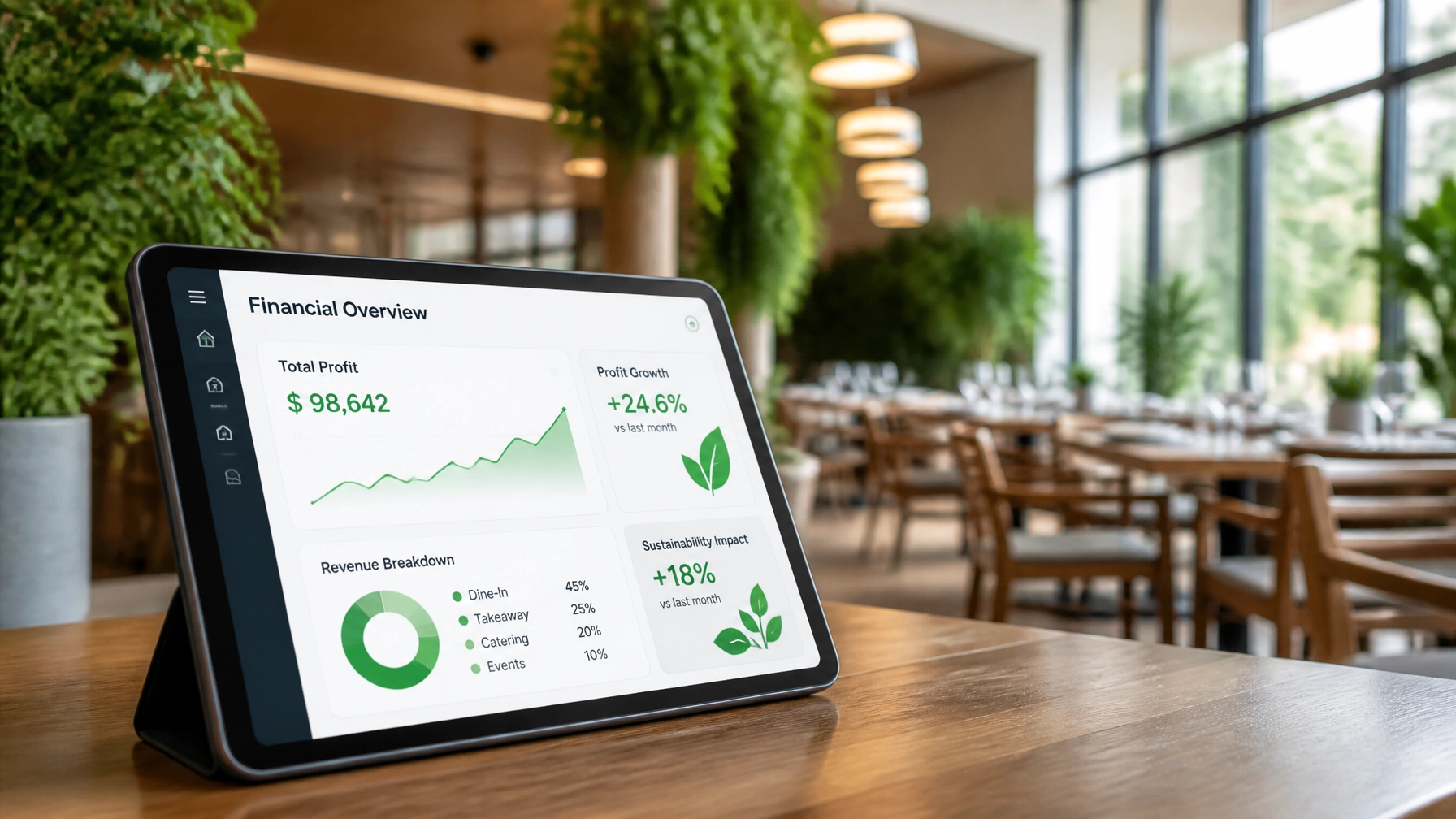
If you’ve spent more than five minutes in the restaurant industry, you know the drill: margins are thinner than a poorly sliced carpaccio. Between rising labor costs, fluctuating ingredient prices, and the ever-present pressure to "go green," many operators feel like they’re trying to run a marathon while juggling flaming torches.
But here’s the secret the big chains don't want you to know: Sustainability isn’t a cost center; it’s a profit center.
In 2026, the "Triple Bottom Line": People, Planet, and Profit: is no longer just a buzzword for corporate social responsibility reports. It is the roadmap to scaling a resilient, high-margin brand. By choosing the right tech stack, you can simultaneously slash waste, lower utility bills, and boost your bottom line.
At Restaurant Revenue Incubator, we specialize in identifying these opportunities. We turn businesses around in under two weeks: for free: by reviewing your P&L and tech stack to find the "leaks" where your profit is literally going into the trash.
The Foundation: Cloud-Based Everything
The first step to an eco-friendly (and wallet-friendly) restaurant is ditching the bulky, energy-sucking on-premise servers. A modern, cloud-based Point of Sale (POS) is the "System of Record" for your entire operation.
Why does cloud tech matter for sustainability?
- Reduced Hardware Footprint: Fewer servers mean less electricity and less physical waste when it’s time to upgrade.
- Digital Receipts: Stop killing trees for a piece of paper that ends up on the floor. 6 times restaurant tech saved the day starts with going paperless.
- Real-Time Data: When your POS talks to your back-office in real-time, you make better decisions. You aren't guessing how much salmon to order; you're looking at hard data.
Choosing a POS with an open API is crucial. This allows you to plug in the "green" modules we’ll discuss next without having to perform digital surgery on your system.
AI Inventory and Waste Tracking: The Profit Brain
Food waste is the silent killer of restaurant margins. Estimates suggest that up to 10% of food purchased by restaurants never makes it to a guest's plate. That’s essentially like taking 10% of your revenue and tossing it in the dumpster behind the building.

By implementing AI-driven inventory and waste tracking tech, you can:
- Automate Purchasing: AI forecasting models analyze historical sales, local weather, and even neighborhood events to predict exactly how much prep you need. No more over-prepping the kale salad because you "felt" it would be a busy Tuesday.
- Log Waste with Precision: Smart scales and simple apps allow your team to record why food is being tossed. Is it spoilage? Prep error? Plate waste? Once you have the data, you can fix the process.
- Dynamic Menu Engineering: If your tech shows that a specific high-carbon ingredient is constantly being wasted, it’s time to rethink the dish. This is where 2025’s biggest menu trends meet operational reality.
Restaurants using these tools report waste reductions of 10% to 30%. In a business where a 5% margin is standard, that’s a game-changer.
Energy Management: The Stealth Saver
You can’t manage what you don’t measure. Most restaurant owners look at their utility bill at the end of the month, sigh, and write the check. But IoT (Internet of Things) sensors and energy management software can change that.

Energy management tech allows you to:
- Monitor Equipment Health: Is your walk-in cooler working overtime because of a leaky seal? A sensor will tell you before the compressor burns out and ruins $2,000 worth of inventory.
- Automated Scheduling: Smart thermostats and lighting systems ensure you aren't cooling an empty dining room at 3:00 AM.
- Peak Demand Shaving: Some systems can automatically adjust non-critical equipment during peak energy hours to lower your utility rates.
This isn't just about the planet; it's about pure profit. Every dollar saved on electricity is a dollar that goes directly to your EBITDA.
The Guest-Facing Layer: Paperless and Personal
Sustainability also impacts your brand perception. Today’s diners: especially Gen Z and Millennials: actively seek out brands that align with their values. Why QSRs are winning Gen Z often comes down to their ability to provide a tech-forward, transparent experience.
- QR Code Menus: While some people miss the tactile feel of a physical menu, the ability to update your offerings in real-time is invaluable. If you have surplus ingredients, you can create a "Chef’s Special" and have it live on every table in seconds.
- Digital Loyalty: Ditch the plastic punch cards. Integrated loyalty programs track customer preferences and reward sustainable choices, like opting out of plastic cutlery for delivery orders. Speaking of delivery, it's vital to understand how delivery apps changed restaurant profit margins forever and how to use that data to your advantage.
The Triple Bottom Line: A Practical Breakdown
When we evaluate a tech stack at Restaurant Revenue Incubator, we use the Triple Bottom Line lens:
| Factor | Sustainability Benefit | Profit Benefit |
|---|---|---|
| People | Reduced admin burnout; easier training. | Higher staff retention; lower labor costs. |
| Planet | Less food waste; lower energy use. | Reduced COGS; lower utility bills. |
| Profit | Data-driven decision making. | Higher margins; scalable growth. |
How to Choose: A 3-Step Guide
If you’re feeling overwhelmed by the options, follow this simple framework:
- The P&L Audit: Look at your biggest "leaks." Is it food cost? Utilities? Labor? Focus your tech investment where the leak is biggest. (Or let us do this for you: we offer free P&L reviews).
- Integration First: Never buy a piece of tech that doesn't talk to your POS. Isolated data is dead data. You want a unified ecosystem where your inventory, energy, and sales data live in one dashboard.
- Start with the "Low Hanging Fruit": You don't need a $50k AI system on day one. Start with a cloud POS and basic waste tracking. Use the savings from those to fund more advanced energy management later.
Are sustainability certifications worth it? Sometimes. But a profitable, efficient restaurant is always worth it.
The "No-Brainer" Approach to Scaling
Choosing the right tech stack is the difference between a restaurant that survives and a brand that scales. But we know that the upfront cost of new technology can be a barrier.

That’s where Restaurant Revenue Incubator comes in. We aren't just consultants; we are partners. We provide:
- Alternative Funding: Access capital through our partners who provide funding in exchange for food & beverage credits. No interest, no equity, no dilution.
- Risk-Free Results: We don’t ask for upfront retainers. We only take a share of the results we create.
- Expert Leadership: With 50+ years of combined experience, we’ve seen it all. We review your tech stack and P&L at no cost, delivering insights from day one.
If you’re ready to turn your "green" initiatives into cold, hard cash, let's talk. We’ll help you build a tech stack that respects the planet and respects your pocketbook.
Ready to see the data? Contact Restaurant Revenue Incubator today for your free P&L and tech stack review.