Restaurant Technology · Uncategorized
The Ultimate Guide to Sustainable Kitchen Operations: Everything You Need to Succeed with Zero Waste
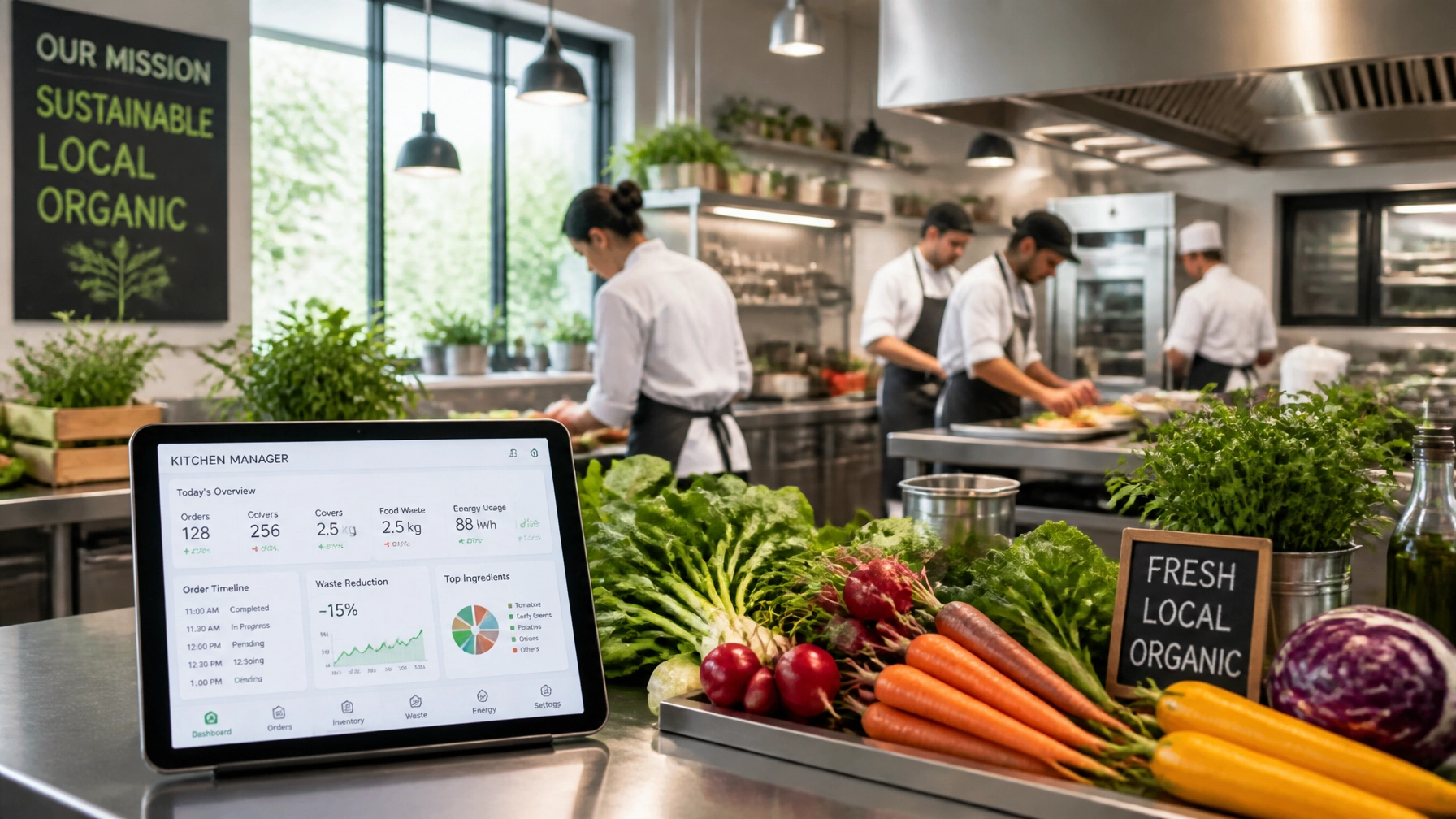
Let’s be honest: for a long time, "sustainability" in the restaurant world was a bit like that expensive organic truffle oil hidden in the back of your pantry: nice to talk about at parties, but you’re pretty sure it’s just eating into your margins.
The old-school thinking was that "going green" meant spending more money on fancy compostable straws that melt in your customer’s lemonade. But here’s the truth that’s making the industry’s top operators very, very wealthy: Zero waste isn’t just about saving the planet; it’s the ultimate hack for saving your profit margins.
At Restaurant Revenue Incubator, we focus on the Triple Bottom Line: People, Planet, and Profit. If a green initiative doesn't eventually put more money in your pocket or make your team's lives easier, it’s not a growth strategy: it’s a hobby.
In this guide, we’re breaking down how to turn your kitchen into a zero-waste powerhouse that scales.
1. Profit: The "Green" You Can Put in the Bank
Most restaurant owners look at their P&L and see "Food Cost" as an immovable mountain. But have you ever actually audited what’s in your dumpster? A standard restaurant can lose anywhere from 4% to 10% of its total food purchases to waste before it even hits a plate.
If you’re doing $2 million a year in sales, that’s $80,000 in literal garbage.
The Waste Audit (Or, "Trash Archaeology")
Before you change a single lightbulb, you need data. Spend one week weighing your waste. Break it down into:
- Prep Waste: Peelings, stems, and bones.
- Spoilage: That box of kale that turned into a science project.
- Plate Waste: What your guests didn't eat.

Tech-Driven Efficiency
This is where the right tech stack becomes your best friend. Modern inventory systems can predict your ordering needs based on historical sales data, ensuring you don't over-order. At Restaurant Revenue Incubator, we provide full tech stack leadership and P&L reviews at no cost. We help you identify where your money is leaking out of the kitchen so you can reinvest it into scaling.
Pro-Tip: If your current tech stack feels like it was designed in the 90s, you’re losing money. We offer a risk-free approach: we only ask for a share of the results we create, rather than upfront retainers.
2. Planet: Menu Engineering for Zero Waste
"Zero waste" doesn't mean you stop throwing things away; it means you stop buying things that end up in the trash. This starts with Whole-Ingredient Cooking.
The Art of the Cross-Utilization
If you have carrot tops, don't toss them: turn them into a chimichurri for your steak. If you have beef trim, that’s your house-made bolognese. If you have stale sourdough, that’s the base for a world-class panzanella or the best breadcrumbs in the city.

By using 100% of the ingredient, you’re effectively lowering your cost per dish. You’re also telling a story that guests love. Today’s diners: especially Gen Z and Millennials: are more likely to return to a restaurant that demonstrates a commitment to sustainability.
The 5 R’s of a Sustainable Kitchen:
- Refuse: Stop the automatic inclusion of straws and plastic cutlery.
- Reduce: Optimize portions based on plate waste data.
- Reuse: Switch to reusable glass bottles for filtered water.
- Recycle: Separate glass, plastic, and metal religiously.
- Rot: If you can’t cook it, compost it.
3. People: Building a Culture of Care
Sustainability is a team sport. You can buy all the composting bins in the world, but if your line cooks aren't bought in, those bins will just be full of plastic wrap by Tuesday.
Empowering Your Staff
When you train your team on zero-waste initiatives, you aren't just giving them more work: you're giving them a mission. Chefs love the creative challenge of "scraps-to-specials" cooking. Front-of-house staff feel more proud to sell a menu that they know is ethical.

The community connection: Donating edible surplus to local food banks isn't just the right thing to do; it builds immense local goodwill and can provide tax benefits. When your team sees that their hard work is feeding people in need rather than the local landfill, turnover drops and morale skyrockets.
4. Scaling: How Sustainability Fuels Expansion
You might think, "This is fine for one small bistro, but I want to scale to 10 units."
Actually, sustainability is easier to manage at scale. Why? Because you have the data to prove what works. When you develop a "Zero Waste SOP" (Standard Operating Procedure), you can bake those cost savings into every new location you open.

Growth Without Dilution
Scaling a restaurant concept usually requires massive capital. Most owners think they have to give away 30% of their company to a VC just to get the doors open on unit number two.
We do things differently. Through our partners, we provide alternative funding in exchange for food & beverage credits. That means:
- No interest.
- No equity loss.
- No dilution.
You use your own product (the food you’re already making more profitably thanks to your new zero-waste systems) to pay for your growth. It’s the ultimate sustainable financial model.
Conclusion: Ready for a Turnaround?
Sustainability isn't a trend; it's the future of profitable restaurant operations. If your margins are tight, your waste is high, and your tech stack is a headache, you don't need a miracle: you need a partner who has been in the weeds.
At Restaurant Revenue Incubator, we specialize in turning businesses around in under 2 weeks. We review your P&Ls, optimize your tech, and help you implement growth strategies that stick. And the best part? We don't charge upfront fees. We only win when you win.
Ready to see how much money is hiding in your trash cans? Check out our latest insights on the blog or contact us today for a free review of your operations.
Let’s build something that lasts: for your pocket, your people, and the planet.