Restaurant Technology · Uncategorized
Can Sustainable Kitchen Operations Really Save Your Margins? Find Out Here
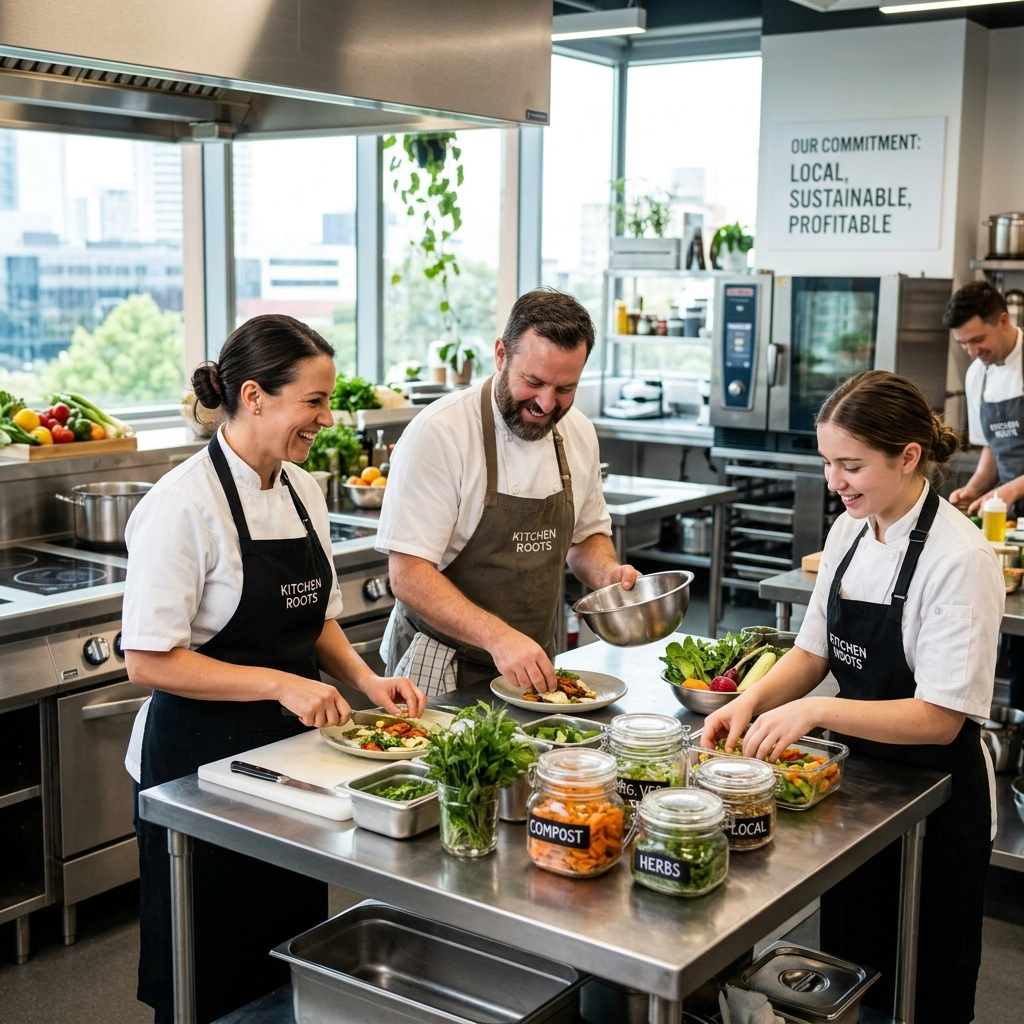
Let’s be honest for a second. When most restaurant owners hear the word “sustainability,” they don’t think of a fatter bank account. They think of expensive compostable straws that turn into mush in five minutes, overpriced organic kale, and a specialized consultant who charges $300 an hour to tell them their walk-in fridge is old.
But here’s the cold, hard truth: the most successful operators in 2026 aren't going green because they’re tree-huggers. They’re doing it because waste is a margin killer. In an industry where a 5% net profit is considered a "good year," throwing 10% of your inventory into the dumpster every night is essentially financial arson.
At Restaurant Revenue Incubator, we’ve seen it all. We’ve seen kitchens where the prep cooks trim broccoli like they’re trying to carve a diamond, throwing away half the edible product. We’ve seen utility bills that look like a mortgage payment for a small mansion.
Sustainability isn’t just a buzzword; it’s the ultimate efficiency hack. Let’s dive into how the "Triple Bottom Line": People, Planet, and Profit: actually works to save your margins.
The Triple Bottom Line: It’s Not Just for Corporations
If you haven’t heard the term "Triple Bottom Line" (TBL), it’s time to get acquainted. TBL moves the focus from a single bottom line (Profit) to three: People, Planet, and Profit.
In a restaurant context, this means:
- Profit: Reducing costs through efficiency.
- Planet: Reducing the environmental footprint (which usually saves money).
- People: Creating a culture where staff actually want to stay, reducing your massive turnover costs.
When these three pillars are balanced, your restaurant doesn't just survive; it scales. And the best part? You don't need a massive capital investment to start. In fact, our "No Upfront Cost" turnaround services at Restaurant Revenue Incubator are designed specifically to find these leaks and plug them using the savings we generate for you.

1. The Food Waste Monster (And How to Kill It)
Food waste is pure margin loss. There is no "secondary market" for the steak your line cook overcooked or the lettuce that turned into slime in the bottom of the crisper.
According to industry data, operators who actively track and manage waste see food costs drop by 2% to 6% almost immediately. In a restaurant doing $2 million a year, a 4% reduction in food cost is $80,000 straight to the bottom line. That’s enough to buy a fleet of hoodies with logos for your entire staff and still have a massive bonus left over.
How to Stop the Bleeding:
- Track Everything: If it goes in the bin, it goes on the log. Why was it tossed? Spoilage? Over-portioning? Customer return? You can’t fix what you don’t measure.
- The "Scrappy" Chef Mentality: Day-old bread becomes croutons. Vegetable trimmings become the base for your stocks. Citrus peels become zest for your bar program.
- Batch Prep Smarter: It’s better to have your prep team work twice for 30 minutes than once for two hours if it means you aren't tossing half a gallon of salsa at the end of the night.
2. Energy & Water: The Silent Margin Assassins
Your kitchen is essentially a giant machine that converts gas, electricity, and water into food. Most of that machine is incredibly inefficient.
Kitchens are energy-intensive environments, but a few sustainable tweaks can slash those fixed costs. For example, moving to induction cooking isn't just "trendy": it’s roughly 90% efficient compared to gas, which sits around 40-55%. That means less heat in the kitchen, which means your HVAC doesn’t have to work overtime to keep your line cooks from fainting.
Quick Wins for the Utility Bill:
- Demand-Controlled Ventilation: Most hoods run at 100% power from open to close. Installing sensors that ramp the fans up or down based on actual cooking heat can save thousands a year.
- LED Transition: If you’re still using old bulbs, you’re literally burning money.
- Low-Flow Everything: High-efficiency pre-rinse spray valves pay for themselves in weeks through water and water-heating savings.

3. The "People" Pillar: Retention is a Green Initiative
We talk a lot about food and electricity, but what about the cost of hiring a new dishwasher every three weeks? The "People" part of the Triple Bottom Line is often the most overlooked sustainability metric.
Gen Z and Millennial workers: who make up the backbone of the hospitality workforce: are significantly more likely to stay with a company that has a soul. When you run a kitchen that values sustainability, reduces waste, and treats its supply chain ethically, your staff takes more pride in their work.
Lower turnover means:
- Reduced training costs (which can be $2,000+ per employee).
- More consistent food quality (fewer mistakes = less waste).
- Higher morale (which leads to better guest experiences and more tips).
If your team is rocking a consistent look with some branded polos and they feel like they’re part of a mission-driven brand, they’re not going to jump ship for an extra fifty cents an hour down the street.
4. Smarter Sourcing: Beyond the "Organic" Label
Sustainable sourcing doesn’t have to mean buying the most expensive ingredients on the market. It means buying traceable and efficient ingredients.
Working with suppliers who offer portion-controlled or pre-trimmed products can actually save you money when you factor in labor and waste. If you buy a whole chicken and your prep cook butchers it poorly, your yield drops and your cost per ounce skyrockets. If you buy pre-portioned, sustainably raised cuts, your yield is 100%, your labor cost is zero, and your quality is consistent.
Furthermore, telling the story of your "Smarter Sourcing" allows for pricing power. Guests are willing to pay a premium for transparency. They want to know the beef in their burger didn't come from a mystery lot. That transparency builds loyalty, and loyalty builds margins.

5. Waste Hauling: Stop Paying to Move Air
Have you looked at your trash bill lately? Most restaurants treat hauling as a fixed cost. It isn’t. You are likely paying for someone to come pick up a dumpster that is 40% air and 60% heavy wet food scraps.
By implementing a composting program or a robust recycling system, you can reduce the volume of your "landfill" trash. This allows you to reduce the frequency of pickups or the size of your bin. In many municipalities, heavy food waste costs more to haul than recyclables. Diverting that weight to a composting service (or even a local farm) can drop your hauling fees by 20% or more.
How to Know It’s Working (The Data Part)
At Restaurant Revenue Incubator, we’re obsessed with the numbers. If you want to see if your sustainable shift is actually working, you need to track these KPIs over a 90-day period:
- Food Cost Percentage: Should drop as waste decreases.
- Utility Cost per Cover: Total gas/electric/water divided by the number of guests.
- Waste Weight: Literally weigh your trash if you have to.
- Staff Turnover Rate: Compare this year to last year.
If these numbers aren't moving in the right direction, your "sustainability" is just marketing. If they are moving, you’ve just found a way to print money.
The Restaurant Revenue Incubator Advantage
We get it. You’re busy. You’re trying to manage a lunch rush, a broken POS system, and a liquor delivery that’s three hours late. You don’t have time to audit your dishwasher’s water consumption.
That’s where we come in. Our "No Upfront Cost" turnaround services mean we put our skin in the game. We analyze your operations, identify the waste: whether it’s in your food, your tech stack, or your leadership structure: and implement the fixes. We don't get paid until you see the revenue increase.
Whether you need a full-scale operational overhaul or just some high-quality brand assets to help tell your story, we’ve got you covered.

Conclusion: Profit is the Ultimate Sustainability
At the end of the day, a restaurant that isn't profitable isn't sustainable. You can have the most eco-friendly kitchen in the world, but if you go out of business in six months, you haven't helped the planet or your people.
Sustainable operations are about resilience. By tightening your waste, optimizing your energy, and investing in your people, you create a buffer that protects you against rising food costs and economic shifts.
Stop throwing your margins in the dumpster. It’s time to lean into the Triple Bottom Line and build a restaurant that’s as profitable as it is purposeful.
Ready to scale your concept without the upfront headache? Let's talk. And maybe grab a beanie with a logo while you're at it: it gets cold in those walk-ins when you're doing your inventory audits.