Restaurant Technology · Uncategorized
Business Lunches Aren't Dead, They've Just Gone Casual
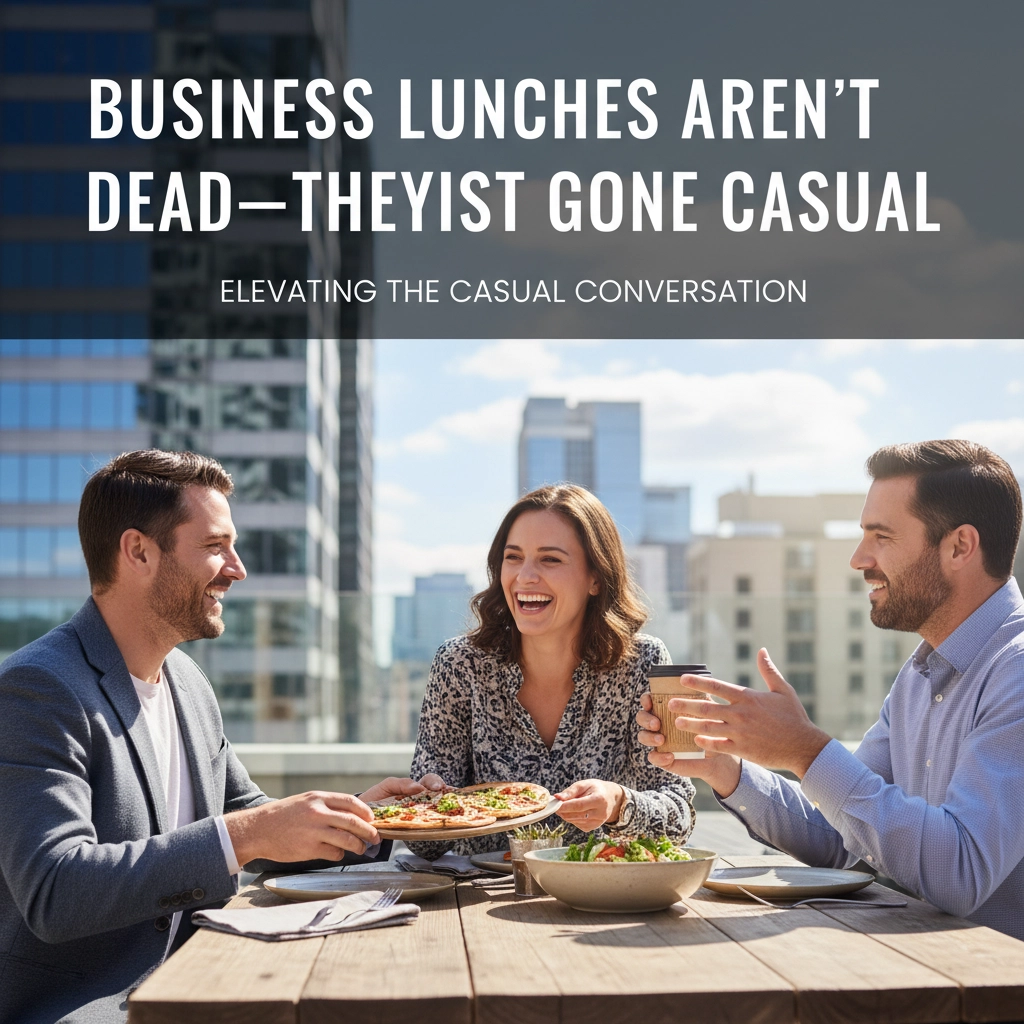
Remember when business lunches meant stuffy steakhouses, uncomfortable small talk, and checking your watch while pretending to care about your client's golf handicap? Those days are fading fast. The business lunch isn't disappearing, it's evolving into something far more authentic, flexible, and dare we say, enjoyable.
Recent data from FSR Magazine and industry reports show that corporate dining has undergone a massive transformation, especially as companies navigate the post-pandemic workplace landscape. The shift isn't just about where we eat or what's on the menu, it's a fundamental change in how business relationships are built and maintained.
The Death of the Power Lunch (And Why That's Good News)
The traditional power lunch, you know, the one where deals were made over $50 steaks in mahogany-paneled restaurants, was already on life support before 2020. But the pandemic delivered the final blow. According to recent surveys, 73% of business professionals now prefer casual dining environments for work-related meals, citing better conversation flow and reduced pressure.
"The formality of traditional business lunches created barriers rather than connections," says Maria Rodriguez, Chief People Officer at a Fortune 500 company. "When you're worried about which fork to use, you're not focused on building genuine relationships."
This shift aligns perfectly with broader workplace trends. As companies embrace hybrid work models and prioritize authentic company culture, the business lunch has adapted to match. Instead of power plays over prime rib, we're seeing meaningful conversations over poke bowls and creative collaboration in food truck gatherings.

What Modern Business Dining Actually Looks Like
Today's business lunch scene is unrecognizable from its predecessor. The changes go far beyond swapping white tablecloths for communal tables: though that's certainly part of it. Here's what's driving the transformation:
Flexibility Is King
Modern business dining operates on flexibility. Rather than rigid 12:30 reservations, companies are embracing drop-off catering that lets teams eat when it works for their schedules. Mobile ordering platforms and AI-driven forecasting help businesses provide exactly what employees want, when they want it.
Global Flavors, Local Impact
The menu evolution is striking. Gone are the days when "ethnic" food meant the one Thai option buried at the bottom of the menu. Corporate catering now features Korean-Mexican fusion tacos, Mediterranean-inspired poke bowls, and vibrant Southeast Asian options that actually taste authentic.
This isn't just about food trends: it's about inclusivity. Companies are recognizing that diverse food options help employees from different backgrounds feel valued and represented. Plus, let's be honest, sriracha beats bland chicken salad every time.
Interactive Experiences Replace Stuffy Service
Static buffets are out; interactive food stations are in. Build-your-own taco bars, DIY ramen stations, and customizable salad setups encourage mingling and conversation in ways that formal seated dinners never could. These setups naturally break the ice and give people something to do with their hands while networking.
The Technology Factor
Technology has revolutionized how business dining happens, making it more accessible and personalized than ever before. Scan-to-pay systems eliminate awkward bill-splitting moments, while mobile ordering lets introverted team members customize their meals without the pressure of verbal ordering.

According to CNBC's recent workplace trends report, 65% of companies now use technology platforms to streamline their corporate dining programs. This isn't just about efficiency: it's about removing friction from relationship-building moments.
"When the logistics are seamless, people can focus on what matters: the conversation and connection," explains David Chen, CEO of a leading corporate catering platform.
The data tells a compelling story. Companies using tech-integrated dining solutions report 40% higher employee satisfaction with workplace food programs and 23% better cross-departmental collaboration during meal times.
Sustainability Meets Strategy
Modern business dining has embraced sustainability not as a checkbox item, but as a core value proposition. Eco-friendly packaging, locally sourced ingredients, and partnerships with regional suppliers reflect genuine environmental consciousness while often improving food quality and supporting local economies.
This sustainability focus resonates particularly well with younger employees and environmentally conscious clients. A recent study showed that 78% of millennials and Gen Z workers view their company's food sustainability practices as a reflection of broader corporate values.
Smart restaurants and corporate dining programs are capitalizing on this trend by highlighting their local partnerships and sustainable practices. It's not just good for the planet: it's good for business.
The ROI of Casual Business Dining
Here's where the data gets really interesting. Companies investing in high-quality, flexible dining programs see measurable returns. Employee retention improves by an average of 12% when quality food programs are implemented, and 80% of employees report increased workplace enthusiasm when lunch is provided.
But the benefits extend beyond internal metrics. Client relationships benefit too. When business meals feel natural and unstressed, deals close faster and partnerships deepen more quickly.

"We've seen a 30% increase in successful client meetings since we shifted to casual, interactive dining experiences," reports Sarah Johnson, VP of Business Development at a major consulting firm. "Clients remember the experience, not just the presentation."
What This Means for Restaurant Operators
For restaurant owners and operators, this shift represents both challenge and opportunity. Traditional business dining establishments must adapt or risk obsolescence, while casual concepts have unprecedented opportunities to capture corporate dining dollars.
The key is understanding that modern business dining isn't about cheaper food: it's about better experiences. Companies will pay premium prices for programs that deliver genuine value: convenience, quality, flexibility, and memorable experiences.
Successful operators are building corporate programs around:
- Flexible ordering and delivery systems
- Customizable menu options that accommodate dietary restrictions
- Interactive food experiences that facilitate networking
- Sustainable practices that align with corporate values
- Technology integration that eliminates friction
Looking Forward: The Future of Business Dining
As we move deeper into 2025, several trends are shaping the next evolution of business dining. Hyper-personalization through AI will create truly customized meal experiences. Virtual reality might add experiential elements to corporate dining events. And the integration of wellness data could make business meals part of comprehensive employee health programs.
But beneath all the technological advancement, the core shift remains simple: business dining is becoming more human, more authentic, and more focused on genuine relationship-building rather than power dynamics.

The most successful companies and restaurants will be those that recognize this fundamental change and design their programs around creating genuine connections rather than impressive facades.
Making the Transition Work
For companies looking to modernize their business dining approach, the transition doesn't have to be overwhelming. Start small with pilot programs that test new concepts with willing teams. Gather feedback extensively and iterate quickly.
The key is focusing on what matters most: creating environments where authentic business relationships can flourish. Whether that happens over artisanal sandwiches in a company conference room or shared plates at a trendy casual restaurant matters less than ensuring the experience feels natural and unstressed.
Restaurant Revenue Incubator has helped dozens of establishments successfully pivot their business dining programs, and the results consistently show that authenticity beats formality every time.
The business lunch isn't dead: it's finally alive in a way that actually serves its purpose: building genuine business relationships over food that people actually want to eat. And honestly, it's about time.