Restaurant Technology · Uncategorized
AI Scheduling: The Scheduling Revolution No One Saw Coming
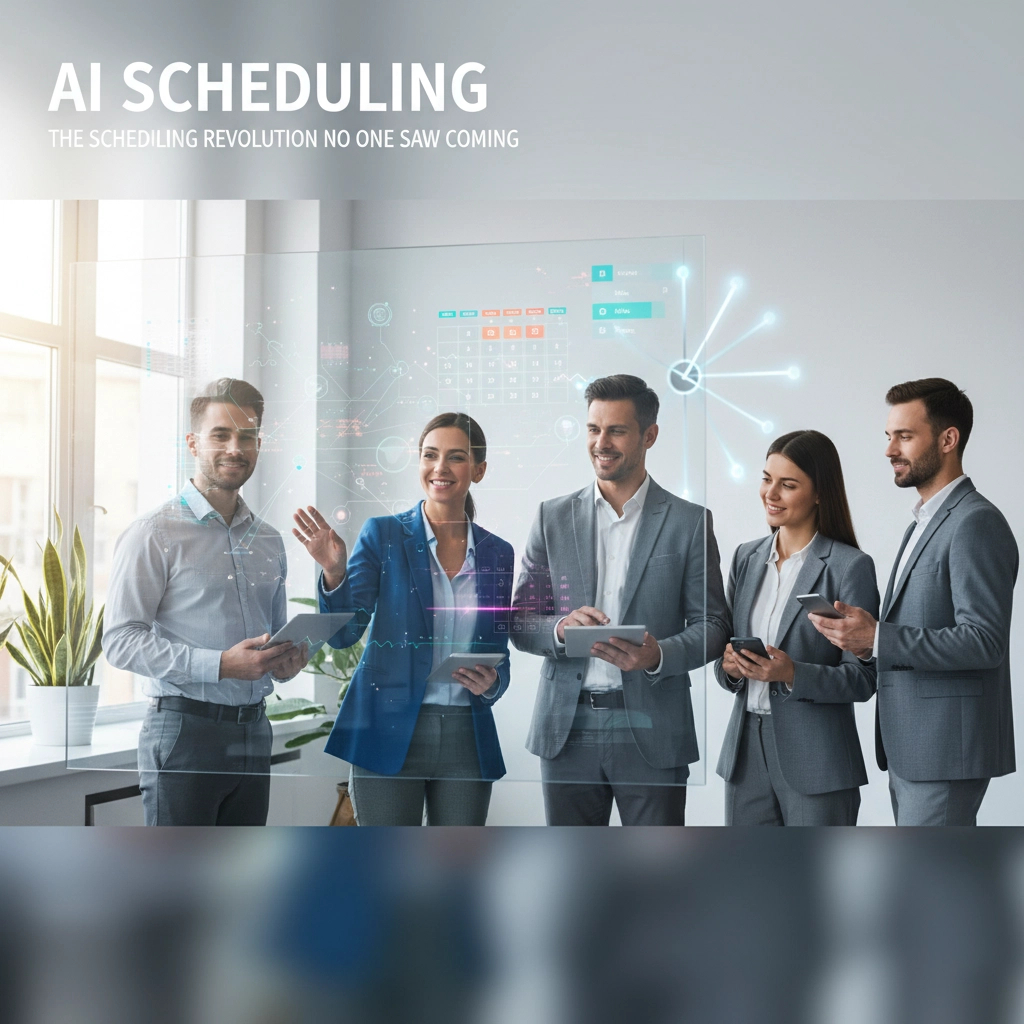
Remember when scheduling restaurant staff meant playing Tetris with a whiteboard, three different phones ringing, and somehow always ending up short-staffed on the busiest night of the week? Yeah, those days are officially numbered. The restaurant industry is experiencing a scheduling revolution powered by artificial intelligence, and frankly, it's about time.
While other industries have been slowly adopting AI scheduling tools, restaurants have been stuck in the stone age of scheduling: until now. The convergence of labor shortages, rising operational costs, and increasingly sophisticated AI technology has created the perfect storm for innovation in restaurant workforce management.
The Restaurant Scheduling Nightmare We All Know Too Well
Let's be honest: restaurant scheduling has always been a special kind of chaos. You've got servers who can only work weekends, cooks who refuse to work doubles, dishwashers who ghost you mid-shift, and health inspectors who show up exactly when you're running skeleton crew. Traditional scheduling methods involve spreadsheets that crash, phone calls that go unanswered, and managers pulling their hair out trying to cover shifts at the last minute.
According to recent industry data, the average restaurant manager spends 12-15 hours per week just on scheduling tasks. That's nearly two full workdays dedicated to something that should take a fraction of the time. Meanwhile, scheduling conflicts and miscommunications contribute to an estimated 30% of restaurant staff turnover, costing the industry billions annually.

The pain points are universal: no-shows, last-minute call-outs, overtime budget overruns, compliance violations, and the constant juggling act of matching staff skills with customer demand patterns. It's exhausting, expensive, and frankly, completely unnecessary in 2024.
Enter AI: The Scheduling Superhero Restaurants Didn't Know They Needed
Artificial intelligence in restaurant scheduling isn't just about digitizing your old processes: it's about completely reimagining how restaurants approach workforce management. Modern AI scheduling platforms analyze dozens of variables simultaneously: historical sales data, weather patterns, local events, individual employee performance metrics, labor law compliance requirements, and even social media trends that might indicate increased foot traffic.
Sarah Martinez, CEO of Coastal Kitchen Group, recently told Restaurant Magazine: "Our AI scheduling system reduced our labor costs by 18% in the first quarter alone, while simultaneously improving employee satisfaction scores. It's like having a crystal ball for staffing needs."
The technology goes far beyond simple shift assignments. AI scheduling systems for restaurants now incorporate predictive analytics that can forecast busy periods with remarkable accuracy, automatic shift-swapping capabilities that reduce manager intervention, and real-time adjustments based on actual customer traffic patterns.

Modern Restaurant Management recently highlighted several breakthrough features in AI scheduling platforms specifically designed for restaurants:
- Dynamic demand forecasting that adjusts staffing levels based on 200+ variables including weather, local events, and historical patterns
- Skills-based scheduling that ensures the right mix of experience levels during peak service periods
- Automated compliance monitoring that prevents scheduling violations before they happen
- Mobile-first interfaces that let staff manage their schedules from anywhere
- Integration capabilities with POS systems, payroll platforms, and labor management tools
Real-World Results: The Numbers Don't Lie
The data coming from early adopters is staggering. Restaurants implementing AI scheduling solutions are seeing average reductions in scheduling time of 75%, labor cost savings of 15-20%, and employee satisfaction improvements of 40% or more.
James Rodriguez, CFO of Metro Dining Concepts, shared with Modern Restaurant Management: "We went from spending 15 hours a week on scheduling across our five locations to maybe 2-3 hours total. Our managers can actually focus on managing operations instead of playing schedule Jenga all day."

The ripple effects extend beyond just time savings. Restaurants using AI scheduling report:
- 23% reduction in no-shows and last-minute callouts
- 31% improvement in shift coverage rates
- 19% decrease in overtime expenditures
- 28% reduction in scheduling-related employee complaints
- 41% faster new employee onboarding and schedule integration
The Technology Behind the Magic
Modern AI scheduling platforms leverage machine learning algorithms that continuously improve their predictions based on your restaurant's unique patterns. They analyze everything from your Tuesday lunch rush tendencies to how weather affects your weekend brunch crowd.
Natural Language Processing (NLP) capabilities mean staff can request time off or shift changes using normal conversational language through mobile apps. No more deciphering cryptic text messages or missed voicemails about schedule changes.
The integration ecosystem is equally impressive. Leading platforms now sync seamlessly with major POS systems like Toast, Square, and Resy, pulling real-time sales data to make instant staffing adjustments. When your lunch rush is lighter than expected, the system can automatically suggest sending someone home early to save on labor costs.

Integration capabilities have become a key differentiator, with top-tier platforms connecting to:
- POS and order management systems
- Payroll and HR platforms
- Employee communication tools
- Labor law compliance databases
- Weather and event data feeds
- Customer reservation systems
Choosing the Right AI Scheduling Solution
Not all AI scheduling platforms are created equal, especially when it comes to restaurant-specific needs. The best solutions understand the unique challenges of food service operations: split shifts, varying skill requirements, health department compliance, and the absolute necessity of maintaining service quality during peak periods.
When evaluating AI scheduling tools, restaurant operators should prioritize platforms that offer:
- Restaurant-specific templates and workflows
- Mobile accessibility for both managers and staff
- Real-time communication features
- Compliance monitoring for labor laws and regulations
- Robust reporting and analytics capabilities
- Scalability for multi-location operations
The investment in AI scheduling technology typically pays for itself within 3-6 months through reduced labor costs and improved operational efficiency. For restaurant operators still managing schedules manually, the question isn't whether you can afford to implement AI scheduling: it's whether you can afford not to.

The Future of Restaurant Scheduling is Here
The AI scheduling revolution represents more than just technological advancement: it's a fundamental shift toward data-driven restaurant management. As labor costs continue to rise and staffing challenges persist, restaurants that embrace intelligent scheduling solutions will have a significant competitive advantage.
The technology will only get more sophisticated. Future developments include predictive health monitoring to reduce sick call-outs, AI-powered performance coaching based on scheduling patterns, and even more granular demand forecasting that accounts for micro-trends in customer behavior.
For restaurant operators ready to leave scheduling chaos behind, the revolution has already begun. The only question is when you'll join it.
Ready to revolutionize your restaurant's scheduling approach? Restaurant Revenue Incubator can help you evaluate and implement the right AI scheduling solution for your operation.