
Restaurant turnarounds rarely come from one viral campaign, one menu launch, or one shiny tool. They come from practical decisions, repeated well.
That is the thread connecting three of 2026’s standout operators: Kevin Hochman at Chili’s parent company Brinker International, Tom Curtis at Burger King, and Brett Schulman at CAVA.
Different brands. Same pattern:
- Focus on a few meaningful metrics
- Simplify work for frontline teams
- Listen directly to guests and operators
- Treat people development as a growth strategy
- Tie efficiency and sustainability to profitability
For operators looking for practical restaurant growth strategies, these are the lessons worth stealing.
1. Kevin Hochman: Give managers time to lead
Under Kevin Hochman, Chili’s has posted five straight years of same-store sales gains, with cumulative comps up 71%. Fiscal 2026 same-store sales rose 9.2%, the two-year stack hit 34.5%, and traffic increased 19.6% over two years.
The bigger headline may be unit economics. Chili’s average unit volume moved from roughly $3 million to $5 million, while restaurant-level margins improved by about 600 basis points. Roughly 80% of general managers earned more than $100,000 in fiscal 2026.
But the smartest move was gloriously unsexy: cutting the daily line check from eight pages to one.
That freed about 30 minutes of manager time per day. Across the system, that added up to the equivalent of 22 years of manager time. Less clipboard time. More coaching, guest recovery, and problem-solving.

That is a core lesson in restaurant tech stack optimization and operational design: efficiency is not just about cutting cost. It is about giving leaders time to lead.
For independents, the takeaway is simple. Track a few numbers that matter: traffic, repeat visits, prime cost, labor productivity, food waste, and review recovery speed. Then remove low-value admin work that steals attention.
This is People, Planet, Profit in practice. People get better leadership. Planet benefits from less paper and less wasted effort. Profit improves because managers spend time on work that actually moves the P&L.
2. Tom Curtis: Listen closely enough to hear the real problem
Burger King president Tom Curtis did something most leaders would rather avoid: he put his phone number on packaging and took guest calls himself.
Curtis personally handled about 1,800 calls, while the brand received more than 70,000 customer communications. That feedback shaped changes to operations, facilities, family offerings, and the Whopper itself.
The update was not a gimmick. It was a better version of an icon: improved bun, creamier mayo, better toppings, and packaging designed to keep the sandwich from arriving sad and squished.
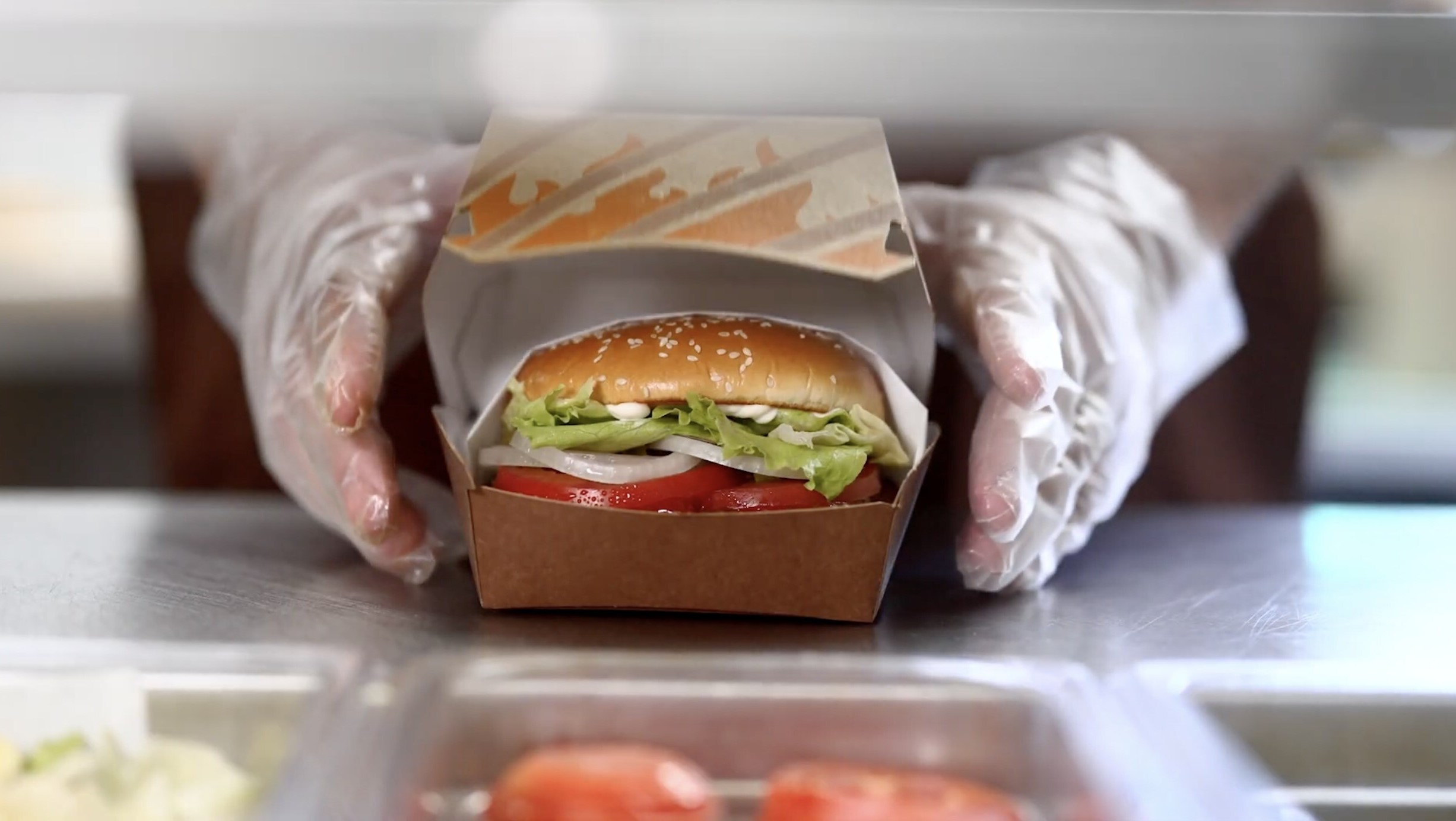
Results followed:
- Whopper sales rose 20%
- U.S. same-store sales increased 8.5%
- Burger King moved ahead of Wendy’s, which was down 7%
- The upgrade cost franchisees about $4,000 per restaurant per year
The lesson is clear: customer feedback matters only if it changes decisions.
Most restaurants already collect reviews, surveys, loyalty data, and social comments. The problem is not lack of data. It is lack of action. This is where restaurant tech stack optimization should help. Your POS, loyalty tools, ordering platforms, and review systems should expose patterns fast, not bury them in silos.
There is a triple-bottom-line angle here too. Better packaging and better execution can reduce remakes and waste, improve team confidence, and protect margin. That is People, Planet, Profit without needing a 47-slide sustainability deck.
3. Brett Schulman: Treat growth as a leadership pipeline
CAVA’s numbers are strong, but the operating lesson is stronger. In Q2 2026, revenue grew 31.3% year over year to $365.4 million, and same-restaurant sales increased 9%. Growth like that gets attention. The smarter point is how CAVA plans to support it.
Schulman has said that opening 74 to 76 new restaurants means needing 74 to 76 new general managers and business leaders. In other words, growth is not just a real estate plan. It is a people plan.

Through “Flavor Your Future,” CAVA is building internal promotion paths into leadership. General managers can earn up to about $140,000 in total compensation. That makes recruiting easier, retention stronger, and standards more scalable.
CAVA also rebuilt its loyalty platform in-house. That matters. Owning loyalty data gives operators a better view of guest behavior and creates a stronger base for restaurant AI automation: smarter offers, better forecasting, tighter labor planning, and less overproduction.
Again, the thread is People, Planet, Profit. People get career paths. Planet benefits when demand forecasting cuts food waste. Profit improves through frequency, retention, and labor efficiency.
The takeaway for independent restaurants is straightforward: if you want faster restaurant growth strategies, build your manager bench before you sign the next lease.
What restaurant owners should copy from all three
Chili’s, Burger King, and CAVA are different businesses, but the operating principles travel well:
1. Pick one primary guest metric
Traffic, repeat visits, order accuracy, or complaints per 100 orders. Keep it simple.
2. Simplify before you add
Before buying another tool or launching another promo, remove friction. Simpler systems are easier to train and cheaper to run.
3. Make managers responsible for outcomes
Give them targets, P&L visibility, and enough time to do real leadership work.
4. Build sustainability into cost control
Track food waste, packaging, energy, and labor efficiency. The best eco-friendly changes help both Planet and Profit.
5. Turn data into action
A dashboard no one uses is just expensive wallpaper.
A faster way to find your next growth opportunity
Most restaurant owners do not need more theory. They need to know where revenue, margin, time, and guest loyalty are leaking right now.
That is where Restaurant Revenue Incubator helps.
Our No Upfront Cost turnaround approach starts with a free review of your P&L and tech stack. We deliver insights from day one and only share in the results we create. No upfront retainer.
Whether the opportunity is menu engineering, labor optimization, restaurant tech stack optimization, restaurant AI automation, sustainability savings, or expansion planning, the goal is the same: improve the business before asking it to grow.
Learn more at restaurantrevenueincubator.com, or explore our alternative funding solutions for restaurants.
The big lesson from these comeback brands is simple: simplify the work, listen harder, develop your people, and make improvement serve People, Planet, Profit.