Restaurant Technology · Uncategorized
From $1.55 Trillion to Your Bottom Line: The 2026 Restaurant Growth Playbook
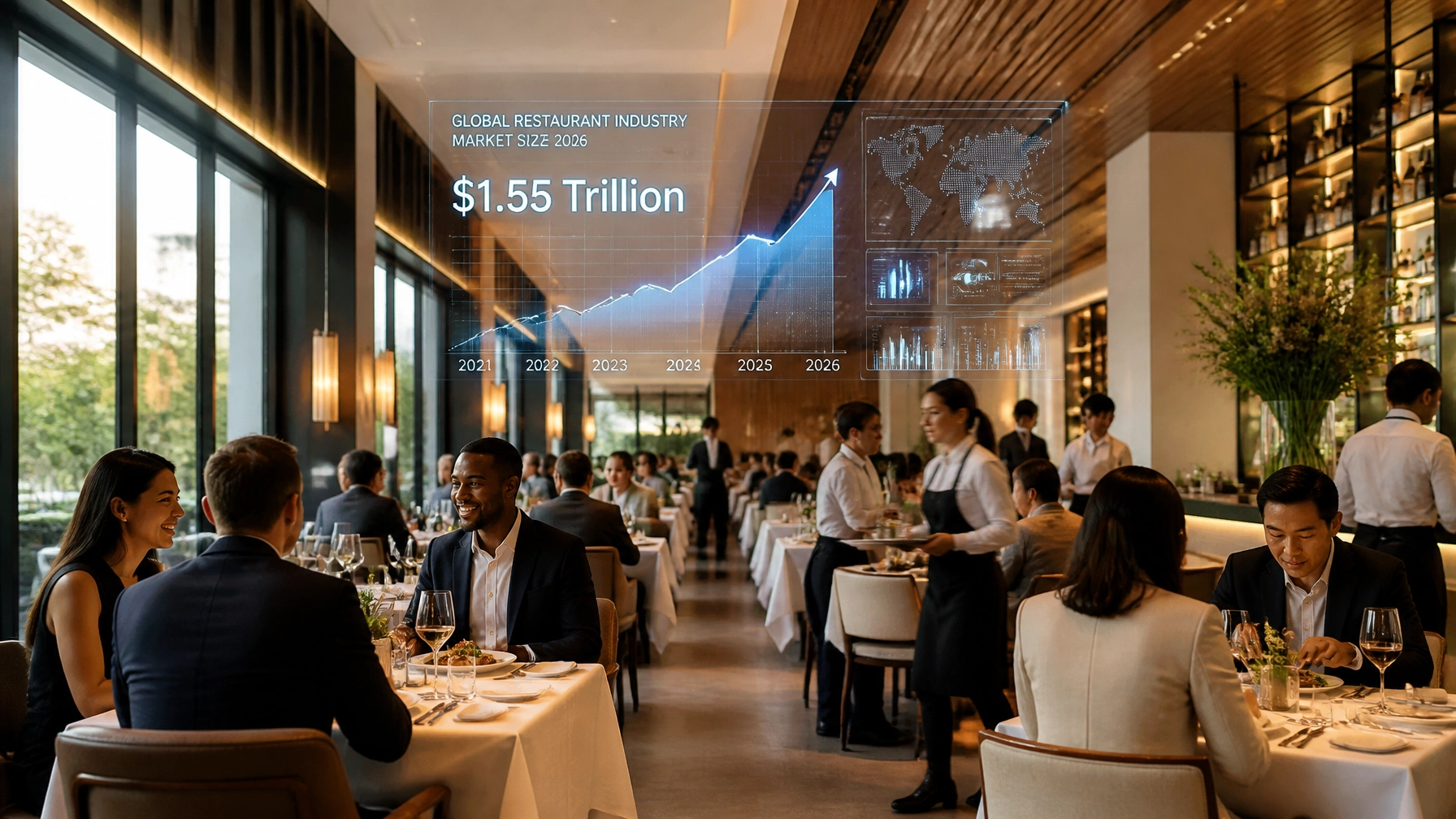
It’s 2026, and the numbers are in. The National Restaurant Association (NRA) has projected a staggering $1.55 trillion in industry-wide sales. On the surface, it looks like a golden era for dining. But if you’re an operator reading this while nursing a third cup of lukewarm coffee and staring at your P&L, you know the truth: sales and profit are two very different animals.
Despite the record-breaking revenue, 42% of restaurant operators are currently not profitable. It’s the great "Success Paradox" of 2026: more customers are spending, but rising costs, labor shortages, and operational inefficiencies are eating the margins before they ever reach the bank.
At Restaurant Revenue Incubator, we’ve spent over 50 years combined in the trenches of private, public, and chef-driven concepts. We’ve seen this movie before, and we know how to change the ending. Here is your 2026 Growth Playbook to ensure your restaurant doesn't just survive the $1.55 trillion wave, but actually rides it to the bank.
Step 1: Bridge the Profitability Gap
The gap between high revenue and low profit is usually paved with "hidden leaks." Many operators have spent the last year raising menu prices to keep up with inflation, but there’s a ceiling to what guests will pay. In 2026, growth isn't about charging $28 for a burger; it's about optimizing what happens behind the scenes.
Scaling requires a rock-solid foundation. We recommend a "Front-to-Back" audit. Are your portions consistent? Is your scheduling optimized for actual foot traffic or just "the way we've always done it"? At Restaurant Revenue Incubator, we specialize in identifying these leaks. We turn businesses around in under two weeks, often starting with a no-cost P&L and tech stack review. When 42% of the industry is struggling to stay in the black, a two-week pivot isn't just a luxury: it’s a lifeline.
Step 2: Weaponize Your Tech Stack (AI is No Longer Optional)
If 2024 was the year of "talking" about AI, 2026 is the year of deploying it. Currently, 73% of operators are investing in AI, and 44% are already using it to drive efficiency.

AI in 2026 isn't a robot flipping burgers (though those exist); it’s the "brain" of your operation. It’s predictive ordering that prevents over-buying perishables. It’s automated scheduling that anticipates a Tuesday night rush based on local events.
If your tech stack feels like a disorganized pile of legacy software, you’re paying a "complexity tax." Our team provides full tech stack leadership to streamline your systems. We ensure your data actually talks to each other so you can make decisions based on facts, not "gut feelings": because as much as we love a good chef’s intuition, it’s rarely as accurate as a data-driven algorithm when it comes to inventory turnover.
Step 3: Implement the Triple Bottom Line (People, Planet, Profit)
Sustainability used to be a PR move. In 2026, it’s a pure financial strategy. We look at sustainability through the lens of the Triple Bottom Line: People, Planet, and Profit.

Consider the ROI of eco-friendly practices:
- Energy Savings: Modernizing your kitchen equipment and HVAC systems can reduce energy costs by 25% to 40%.
- Food Waste: The average restaurant sees a 7:1 ROI for every dollar invested in food waste reduction.
By reducing your environmental footprint, you aren't just helping the planet; you’re directly lowering your COGS (Cost of Goods Sold). Sustainable restaurants in 2026 are also winning the "People" part of the equation, as staff prefer to work for purpose-driven brands, reducing the astronomical costs of employee turnover.
Step 4: Scale Without Dilution
The biggest hurdle to growth is almost always capital. Traditional loans come with predatory interest rates, and bringing on equity partners means giving away a piece of your "baby" forever.
This is where the 2026 playbook takes a radical turn. Through our strategic partners, we offer alternative funding that provides capital in exchange for food and beverage credits.
- No Interest.
- No Equity.
- No Dilution.
It’s a risk-free approach to scaling. You get the capital you need to open that second location or renovate your flagship, and you pay it back through the very product you’re already making. This allows you to scale your brand while maintaining 100% ownership and control.
Step 5: Partner for the Long Haul
Scaling a restaurant group is a different discipline than running a single unit. It requires franchise development expertise, branding optimization, and a leadership team that has "been there, done that."

At Restaurant Revenue Incubator, we don't ask for upfront retainers. We operate on a results-based model: we only win when you win. Whether you’re a single-unit owner looking to franchise or a multi-unit group needing a creative refresh, our 50+ years of experience are at your disposal.
The 2026 Checklist for Growth:
- Audit Your P&L: Identify the leaks within 14 days.
- Optimize Your Tech: Move from 44% AI usage to 100% data-driven.
- Green Your Bottom Line: Target that 7:1 ROI on waste reduction.
- Fund Smart: Avoid debt and equity dilution via F&B credit funding.
- Execute Rapidly: Don't let a "bad month" turn into a "bad year."
The $1.55 trillion is out there. The question is: will it stay on your top line, or will you use this playbook to move it to your bottom line?
Ready to turn your restaurant around in under 2 weeks?
Contact Restaurant Revenue Incubator today for a free review of your tech stack and P&L. Let’s make sure you’re part of the profitable 58%: and then some.