Restaurant Technology · Uncategorized
Restaurant News Roundup for January 10, 2026: Health Kicks, Chain Rankings, Privatization Wave & Gen Z's Menu Demands
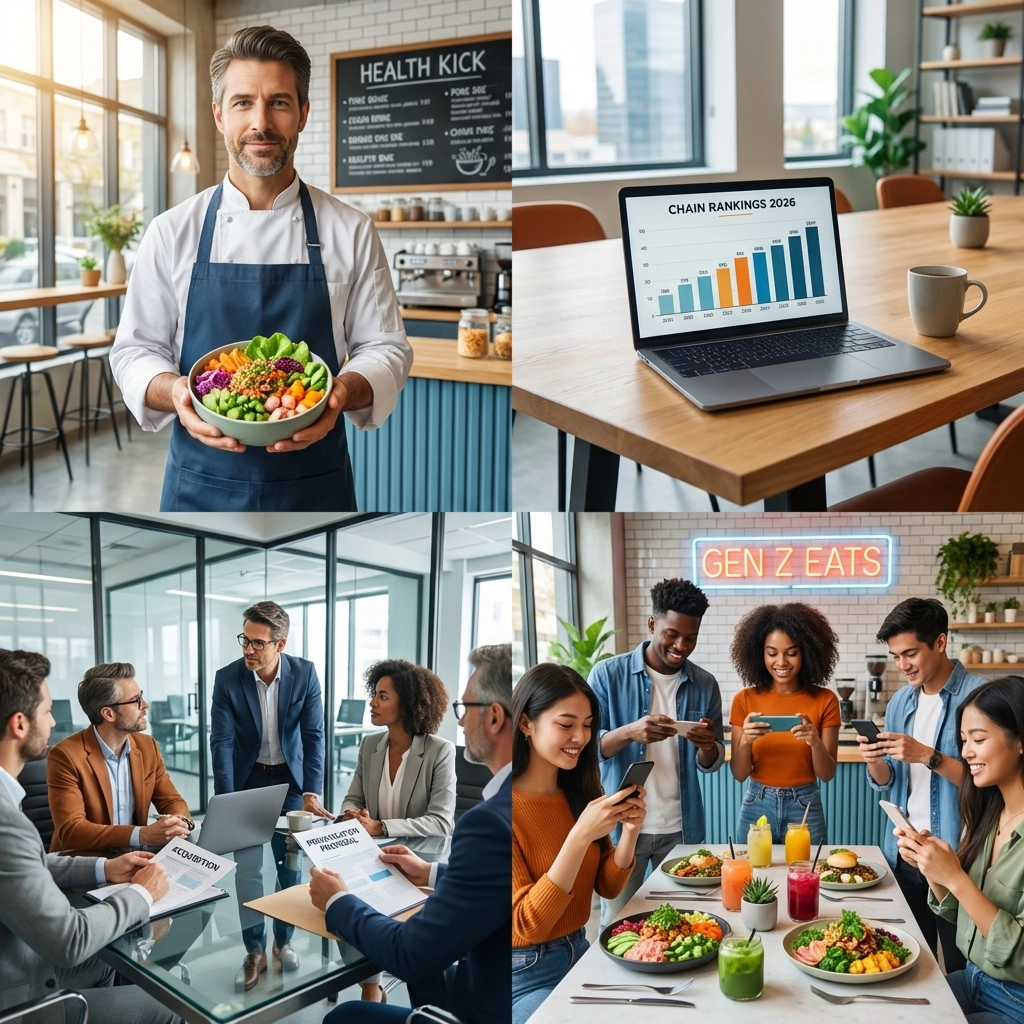
Welcome to your Friday restaurant news roundup! While most of the industry is still nursing New Year's hangovers, the restaurant world is already cooking up some serious changes for 2026. From protein-packed wellness menus going mainstream to a wave of public chains going private, today's digest serves up the hottest trends, biggest moves, and what's really driving revenue in restaurants right now.
Health Goes Beyond January Resolutions
Forget the typical "New Year, new salad" mentality – healthy menu trends are rising to become year-round revenue drivers. Major operators like Shake Shack, Chipotle, and Starbucks are doubling down on protein-rich offerings that actually taste good and keep customers coming back.
The data tells the story: 20% of restaurant operators expect greater demand for healthier menus in 2026, with protein-centric options leading the charge. Chipotle's meat snack cups and Starbucks' protein cold foam aren't just trendy additions – they're strategic plays for the growing wellness-focused dining segment.

But here's the kicker: this isn't just about catering to fitness enthusiasts. With chicken dominating menus as beef prices soar, operators are finding that high-protein options offer better margins while appealing to cost-conscious diners. It's a rare win-win in today's challenging market.
Sprinkles Sweetens the Real Estate Market
The nationwide closure of Sprinkles Cupcake shops sent shockwaves through the dessert segment, but savvy operators see opportunity in the wreckage. Prime retail locations are suddenly available, and landlords are eager to make deals. For restaurant entrepreneurs looking to expand, this could be the break they've been waiting for.
The Sprinkles closure impact extends beyond just real estate. It highlights the ongoing consolidation in specialty retail food, where brands without strong digital presence and delivery operations struggle to survive post-pandemic consumer behavior shifts.
Chain Rankings Reveal the New Power Players
The latest Top 50 chains and growth leaders paint a clear picture of who's winning and who's struggling in 2026. Dutch Bros continues its meteoric rise, with same-store sales growth that makes other chains green with envy. Raising Cane's solidified its spot in the top 20, proving that focused menus and operational excellence still trump flashy marketing.
Meanwhile, legacy brands like Red Lobster remain in the losers' column, struggling with debt loads and changing consumer preferences. Wingstop maintains its momentum, riding the chicken wave and proving that sometimes simple concepts executed flawlessly beat complexity every time.

The standout story? Kura Sushi's traffic rebound demonstrates that price increases, when paired with improved service and smart supply chain management, can actually boost profitability even amid tariff pressures.
The Great Privatization Wave
This year's restaurant privatization surge reflects broader market volatility and strategic pivots away from quarterly earnings pressure. When public restaurant companies go private, they gain flexibility to invest in long-term growth without appeasing Wall Street's short-term demands.
For operators watching from the sidelines, these moves signal confidence from private equity and strategic buyers that restaurant fundamentals remain strong despite current headwinds. The privatization trend also suggests that patient capital sees value in restaurant assets that public markets are currently undervaluing.
Gen Z Wants the Driver's Seat
Yum Brands' trend report shows younger consumers want control of their dining experience, and smart operators are responding with unprecedented customization options. From build-your-own bowls to solo dining experiences designed for one, restaurants are redesigning everything from menus to seating layouts.
The numbers don't lie: Gen Z diners fuel customization trends, solo dining growth, and demand for personalized menu experiences. This generation isn't just ordering differently – they're expecting restaurants to adapt to their preferences for control, transparency, and individual expression through food choices.

The implication? Restaurants that stick to rigid menu formats and traditional service models risk losing the next generation of customers. Flexibility isn't just nice-to-have anymore – it's table stakes.
McDonald's Cracks the Franchise Whip
McDonald's is enhancing global franchising standards to focus on value, implementing tighter controls and penalties for franchisees who stray from approved pricing or quality standards. This franchise value crackdown represents McDonald's response to inconsistent customer experiences that threaten the brand's value proposition.
The new standards include real consequences for value slippage and rogue pricing, signaling that McDonald's is serious about protecting its competitive advantage in an increasingly crowded value segment.
2026 Food & Beverage Crystal Ball
Looking ahead, 12 food and beverage trends to watch in 2026 reveal fascinating shifts in consumer preferences. Less alcohol consumption drives mocktail innovation, while tropical fruit flavors and spicy heat dominate new product development. High-protein everything continues its march across menus.
The beverage trends particularly stand out: 51% of Americans say they're more likely to dine out when deals and loyalty programs are available, making happy hour promotions the #1 dining trend restaurateurs expect in 2026.

Taco Bell's Innovation Overdrive
Taco Bell's menu launches coming this year represent the brand's biggest bet on innovation yet. Doubling their launch frequency for 2025-26, they're focusing on new sauces, proteins, drinks, and expanded "Cantina" options that blur the lines between fast food and fast-casual.
This aggressive innovation strategy reflects broader industry pressure to maintain relevance with younger consumers who expect constant novelty and Instagram-worthy menu items.
Quick Takes from the Trenches
Sales Volume Challenge: 30% of operators identify sales volume as their top challenge, with rising food costs close behind at 28%. The dual pressure of attracting customers while controlling costs requires surgical precision in menu engineering and operations.
Value is King: 47% of consumers will prioritize weekly specials when choosing where to dine, making promotional strategy more critical than ever for driving traffic.
Delivery Dominance: 36% of operators anticipate more takeout and delivery orders, while 32% predict fewer dine-in visits as off-premises dining becomes the new normal.

The Bottom Line
As we dive deeper into 2026, successful restaurant operators are those who embrace change while maintaining operational excellence. Whether it's adapting to Gen Z's customization demands, capitalizing on the health and wellness trend, or navigating the privatization wave, the winners are those who see opportunity in disruption.
The restaurant landscape is evolving faster than ever, but the fundamentals remain the same: deliver great food, exceptional service, and real value. Everything else is just seasoning.
For restaurant operators looking to stay ahead of these trends and optimize their revenue strategies, Restaurant Revenue Incubator provides the insights and tools needed to thrive in this rapidly changing industry.
Stay hungry, stay informed, and remember – in the restaurant business, change is the only constant on the menu.