Restaurant Technology · Uncategorized
January 2, 2026 Restaurant News Roundup: Closures, Expansion, Boston Market Drama & Tech Moves
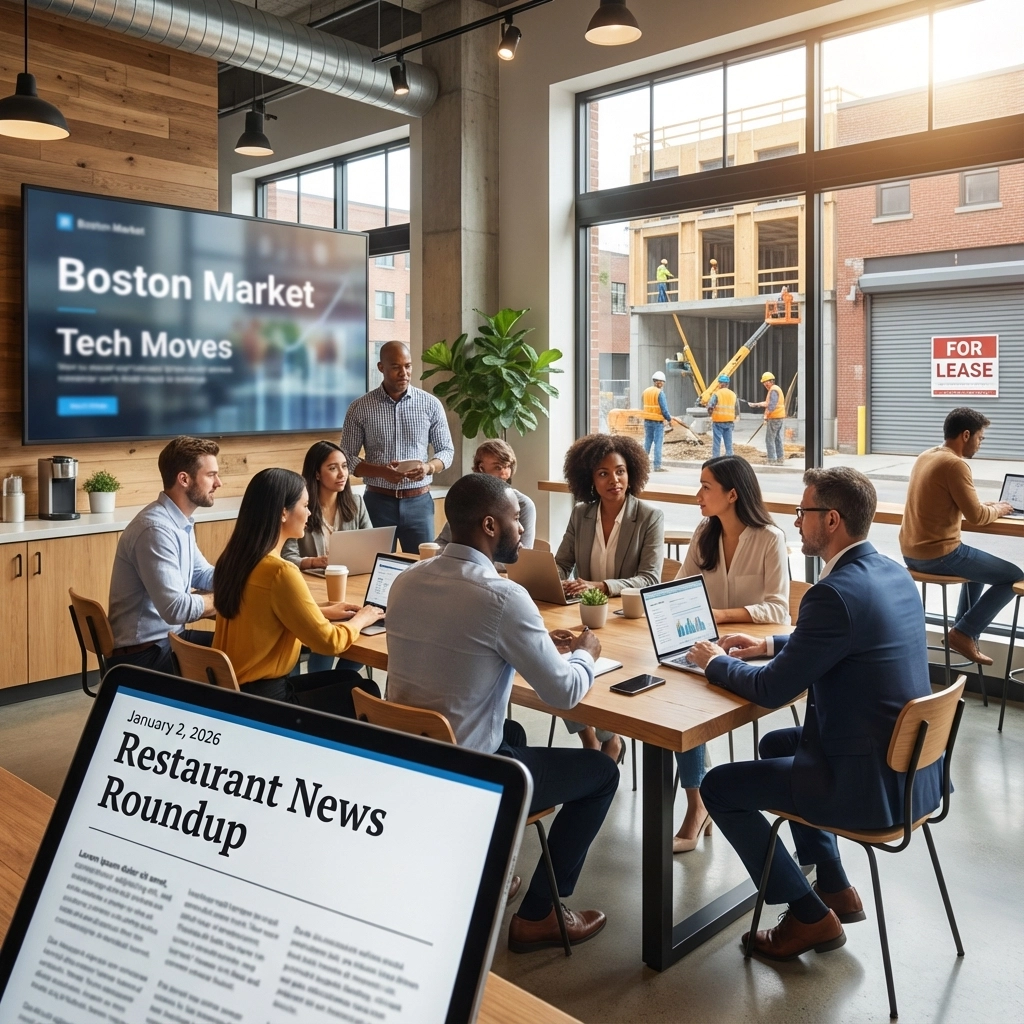
The restaurant industry kicks off 2026 with a whirlwind of contradictory signals: major chains shuttering hundreds of locations while others announce aggressive expansion plans, wages hitting new highs in 19 states, and automation taking center stage in commercial kitchens. Here's what restaurant operators need to know about the seismic shifts happening across the industry.
Closures & Turmoil: The Shakeout Continues
The restaurant closure wave that dominated 2025 shows no signs of slowing down. Wendy's announces nationwide closures as part of its "Project Fresh" initiative, targeting up to 350 underperforming locations for closure in the first quarter of 2026. The fast-food giant is focusing on remodeling profitable locations while cutting loose properties that can't meet new performance metrics.
Jack in the Box joins the closure parade, announcing plans to shutter 80-120 additional locations following its difficult 2025. The California-based chain cited rising labor costs and declining foot traffic as primary factors driving the decision.
But perhaps no story captures the industry's volatility better than Boston Market's stunning collapse. The rotisserie chicken chain, once boasting over 1,000 locations at its peak, now operates just 27 restaurants after a staggering 90% reduction in 15 months. Boston Market launches fee-free franchise program amid legal turmoil, desperately pitching its "Boston Market Connect" program to delis, gas stations, and convenience stores with zero franchise fees.

Industry insiders remain skeptical about Boston Market's turnaround prospects, given ongoing lawsuits from suppliers, landlords, and former employees. The company's attempts to rebrand around global menu items and ghost kitchen partnerships have yet to demonstrate sustainable revenue streams.
Expansion Spotlight: Growth Against the Odds
While closures dominate headlines, several brands are betting big on expansion. Chipotle hits 4,000 stores, ramps up automation with plans to reach 7,000 locations across the U.S. and Canada. The burrito giant's success formula combines digital ordering dominance, premium pricing power, and now, increasing kitchen automation.
The most intriguing expansion story belongs to Mixue, the Chinese ice cream and tea chain that's officially the world's largest restaurant brand by location count. Mixue debuts in US, plans value expansion with its Los Angeles launch, promising menu items starting at just $1.19. With over 36,000 locations globally, Mixue's ultra-low-cost model could disrupt the American beverage and dessert market.
McDonald's is tightening franchise standards while rolling out stricter value menu requirements, signaling the Golden Arches' intention to maintain market dominance through operational excellence rather than pure expansion volume.
Tech & Menu Moves: The Automation Arms Race
Restaurant technology investments reached new heights as operators seek solutions to persistent labor challenges. Sweetgreen and Chipotle are leading the charge in kitchen automation, with robotic systems handling everything from salad assembly to precise portioning. These "robotic kitchen arms" represent a fundamental shift toward reducing dependency on human labor for repetitive tasks.

Menu innovation focuses heavily on value and convenience. McDonald's expanded McValue Menu now includes more $5 combo options, while Taco Bell and Jack in the Box introduced new dips, wraps, and limited-time offerings designed to drive traffic through affordability and social media buzz.
Loyalty program relaunches are fueling digital sales growth across major chains. Chipotle, Wingstop, and Panera have all overhauled their rewards systems, using data analytics to personalize offers and increase visit frequency. These programs now generate 40-60% of total sales for digitally advanced brands.
The ghost kitchen trend continues maturing, with traditional dine-in restaurants launching delivery-only concepts to capture additional revenue streams without the overhead of physical expansion.
Labor Trends: Wage Reality Check
Minimum wage increases hit 19+ states on January 1st, with California, Washington, and Washington D.C. now at or above $17 per hour. These dramatic wage increases are forcing operators to make difficult choices between menu price increases and margin compression.
Restaurant traffic continues declining for the ninth consecutive month, even as same-store sales show modest improvements driven primarily by higher menu prices. This disconnect between traffic and revenue highlights the industry's ongoing struggle to balance affordability with profitability.
Labor shortages persist despite wage increases, particularly in back-of-house positions. Many operators report that higher wages alone aren't solving recruitment challenges, leading to increased investment in automation and workflow optimization.

The tipped wage structure faces continued pressure, with several states implementing minimum wage increases that also affect tipped employees. This trend is accelerating the adoption of service fees and revised compensation models across full-service restaurants.
Industry Outlook: Navigating Uncertainty
Industry forecasts for 2026 predict modest but real growth of 1-2%, following 2025's challenging downturn. M&A activity is expected to accelerate, with private equity firms targeting distressed chains and cash-heavy concepts primed for rapid scaling.
Limited-service restaurants are positioned to outperform full-service counterparts, benefiting from lower labor costs and higher operational efficiency. Brands demonstrating clear turnaround stories or unique value propositions are attracting investor attention despite broader industry headwinds.
Consumer spending remains constrained by housing costs, interest rates, and economic uncertainty. This environment favors value-oriented concepts and brands that can deliver consistent quality at accessible price points.
Technology adoption will separate winners from losers, with successful operators leveraging automation, data analytics, and digital platforms to maintain profitability despite rising costs. Brands failing to invest in operational technology risk falling behind as competitive pressures intensify.
The franchise model continues evolving, with franchisors implementing stricter performance standards while offering enhanced support systems. Multi-unit operators are consolidating market share as single-unit franchisees struggle with operational complexity and capital requirements.
The Path Forward
January 2026's restaurant industry landscape reveals an ecosystem in rapid transformation. While closures capture attention, successful brands are using this period to strengthen market positions through strategic expansion, technological advancement, and operational excellence.
The industry's future belongs to operators who can balance value delivery with profitability, leverage technology to solve labor challenges, and maintain financial flexibility in an uncertain economic environment. For restaurant operators seeking guidance through these complex market dynamics, professional advisory services become increasingly valuable in developing sustainable growth strategies.
The coming months will likely determine which brands emerge stronger from this period of industry consolidation, making early 2026 a critical time for strategic decision-making across the restaurant landscape.