Restaurant Technology · Uncategorized
Restaurant News Roundup: Closures, Tech Shifts & Good Vibes for Year-End (Dec 30, 2025)
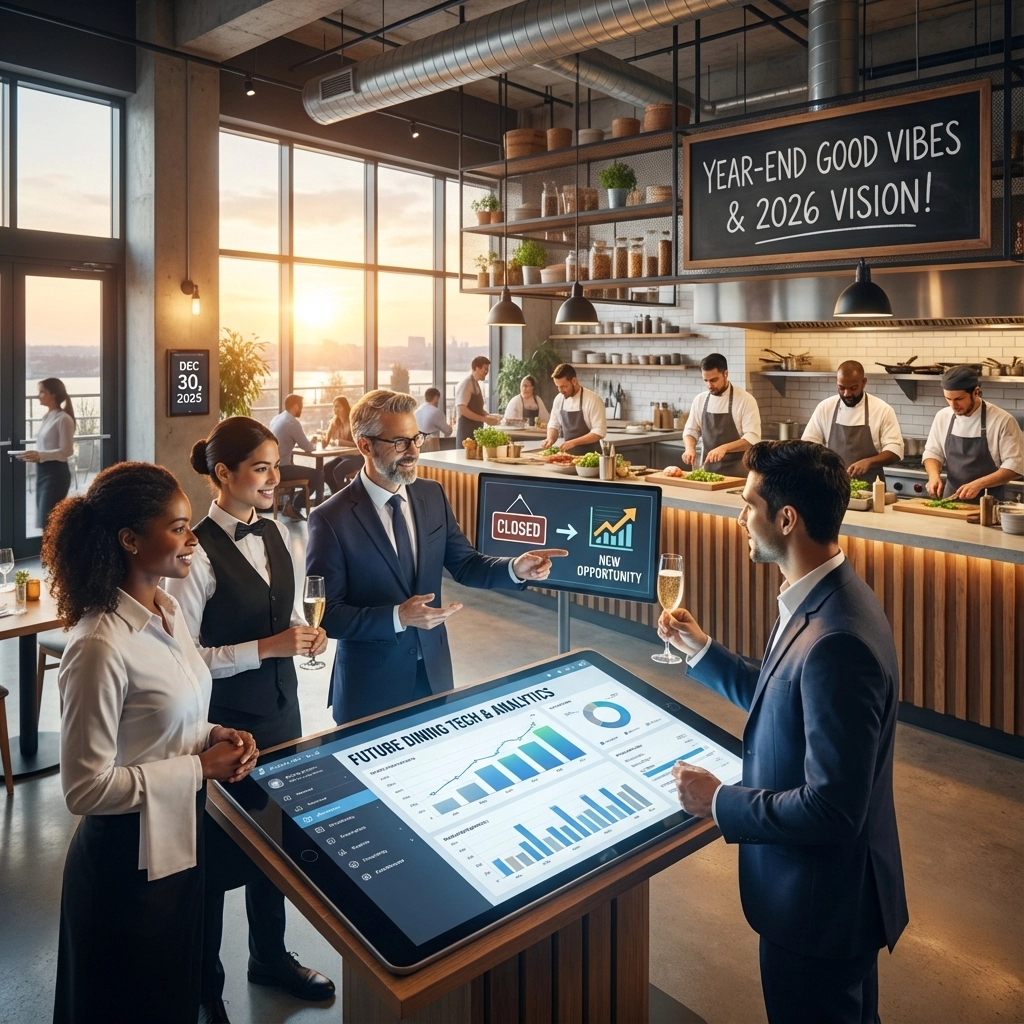
As 2025 wraps up, the restaurant industry is ending the year with some serious plot twists. From McDonald's dropping new franchise standards to DoorDash going full acquisition mode, and let's not forget Burger King's SpongeBob collaboration that has the internet losing its collective mind: there's a lot to unpack.
If you're in the restaurant business, these shifts aren't just headlines. They're the moves that'll shape how we all operate in 2026 and beyond. Let's break down what's actually happening and what it means for your bottom line.
McDonald's Gets Serious About Franchise Standards
The Golden Arches just announced they're tightening the screws on franchising standards for 2026, and it's all about value and accountability. According to Nation's Restaurant News, McDonald's is implementing new global franchising standards that focus on consistent value delivery to guests while holding operators to stricter pricing discipline.
This isn't just corporate flexing: it's McDonald's responding to the value wars that have dominated quick service restaurant strategy this year. With inflation still pinching consumers and competitors slashing prices left and right, McDonald's is betting that standardized excellence beats the race to the bottom.
What this means for franchisees: More oversight, stricter operational requirements, and potentially higher investment costs. But also more protection from price wars and clearer guidelines for success.
What this means for competitors: McDonald's is essentially saying "we're going premium while staying affordable." That's a tough position to counter, especially for chains still figuring out their post-pandemic identity.

The accountability piece is particularly interesting. Industry insiders suggest this could include more frequent quality audits, mandatory technology updates, and standardized pricing strategies across markets. For independent operators, this might actually be good news: if McDonald's franchisees have less flexibility to undercut on price, there's more room for everyone else to compete on value and experience.
The Great Tech Consolidation Continues
While McDonald's is standardizing operations, the restaurant tech space is consolidating at breakneck speed. DoorDash's acquisition spree has been the talk of the industry, but the real game-changer might be the Toast and Uber partnership that's reshaping how restaurants think about their tech stack.
According to industry reports, these fast food tech trends are fundamentally changing the cost structure for operators. DoorDash's vertical integration strategy: buying everything from logistics companies to payment processors: means they're becoming less of a delivery partner and more of a full-service restaurant infrastructure provider.
The Toast/Uber collaboration is particularly smart. Instead of competing directly with DoorDash's everything-under-one-roof approach, they're creating a best-of-breed ecosystem where restaurants can pick and choose solutions that actually work for their specific needs.
The real impact: Restaurant operators now have two distinct paths for their tech strategy. Go all-in with one platform (probably DoorDash) and get simplicity but lose flexibility, or build a custom stack with Toast/Uber and maintain control while managing more complexity.
For smaller operators, this is actually great news. The competition is driving innovation and keeping prices competitive. But it also means you need to get smart about what tech you actually need versus what sounds cool in a sales pitch.

Viral Menu Launches Are Getting Weird (And It's Working)
Now for the fun stuff. Burger King's SpongeBob collaboration isn't just nostalgia marketing: it's a masterclass in how to break through the noise in 2025's oversaturated social media landscape. The limited-time menu featuring Krabby Patty burgers and Pineapple Under the Sea Frosty has generated more organic social content than most chains see in a full quarter.
But the real winner might be Wendy's with their $0.01 Jr. Bacon Cheeseburger promotion for National Bacon Day. According to Allrecipes, the app-only deal drove massive download numbers while creating a legitimate news story that food media couldn't ignore.
These viral menu launches represent a fundamental shift in how quick service restaurants think about marketing. Instead of buying attention through traditional advertising, brands are earning it by creating genuinely shareable moments.
The strategy behind the madness: Both promotions required app downloads and created time-sensitive urgency. SpongeBob tapped into millennial and Gen Z nostalgia, while Wendy's bacon promotion played into food holidays that people actually care about.
What's particularly smart is how both campaigns integrated with broader marketing strategies. The SpongeBob collaboration extends Burger King's "Have It Your Way" messaging by encouraging customization and play, while Wendy's bacon promotion reinforces their reputation for quality ingredients and social media savvy.

For independent operators, the lesson isn't to license cartoon characters (though if you can, why not?). It's to think about how your menu can create shareable moments that feel authentic to your brand and genuinely valuable to your customers.
Restaurant Closures 2025: Quality Over Quantity Wins
While the meme marketing and tech deals grab headlines, the restaurant closures 2025 has seen tell a more serious story about the industry's evolution. According to CNN, major chains from Wendy's to Starbucks have closed hundreds of locations, but this isn't necessarily bad news.
The closures represent a strategic shift toward "quality over quantity" that started during the pandemic and is now becoming permanent. Chains are closing underperforming locations and reinvesting in fewer, better-positioned restaurants with enhanced technology and improved customer experience.
Wendy's closure of 200-400 locations, for example, is part of their "Project Fresh" turnaround strategy. Instead of maintaining marginally profitable restaurants, they're focusing resources on locations with strong fundamentals and growth potential.
The bigger picture: The restaurant industry is maturing. The days of endless expansion and market saturation are ending, replaced by a more sustainable approach that prioritizes profitability and customer satisfaction over pure growth metrics.
This trend actually benefits well-run independent operators. As chains pull back from marginal markets, there's more opportunity for local restaurants to build strong community connections and capture market share.
What This All Means for Your Restaurant
So what's the actionable insight from all this industry news December 2025 has delivered? Three key trends are emerging that every restaurant operator needs to understand:
1. Standards Matter More Than Ever
Whether it's McDonald's franchising requirements or the competitive pressure from viral marketing campaigns, consistency and quality are becoming the baseline for success. You can't wing it anymore.
2. Technology Is Your Competitive Advantage
The DoorDash/Toast/Uber battle isn't just about big companies: it's creating better, cheaper tools for everyone. But you need to be strategic about which technologies actually move the needle for your specific business.
3. Marketing Is About Earned Attention
The SpongeBob and bacon burger campaigns work because they give people something worth talking about. Your marketing needs to create genuine value, not just noise.

For restaurant operators heading into 2026, the message is clear: the industry is professionalizing. The restaurants that thrive will be the ones that embrace higher standards, smarter technology, and more creative marketing while maintaining the authentic community connections that make dining out special.
The good news? All of these trends favor operators who are willing to think strategically about their business instead of just hoping for the best. Whether you're running a single location or a growing chain, 2026 is setting up to reward excellence over mediocrity.
At Restaurant Revenue Incubator, we're seeing operators who embrace these changes not just survive but actually grow market share while their competitors struggle with the transition. The key is understanding that these aren't just industry trends: they're your roadmap to building a more profitable, sustainable restaurant business.
The restaurant industry news December 2025 has given us might seem overwhelming, but it's actually pointing toward a more stable, profitable future for operators who are ready to level up their game. And honestly? That's the kind of good vibes we could all use heading into the new year.