Restaurant Technology · Uncategorized
Restaurant News Roundup: Fast Casual Closures, Tech Robots, and High-Protein Menu Mania – December 23, 2025
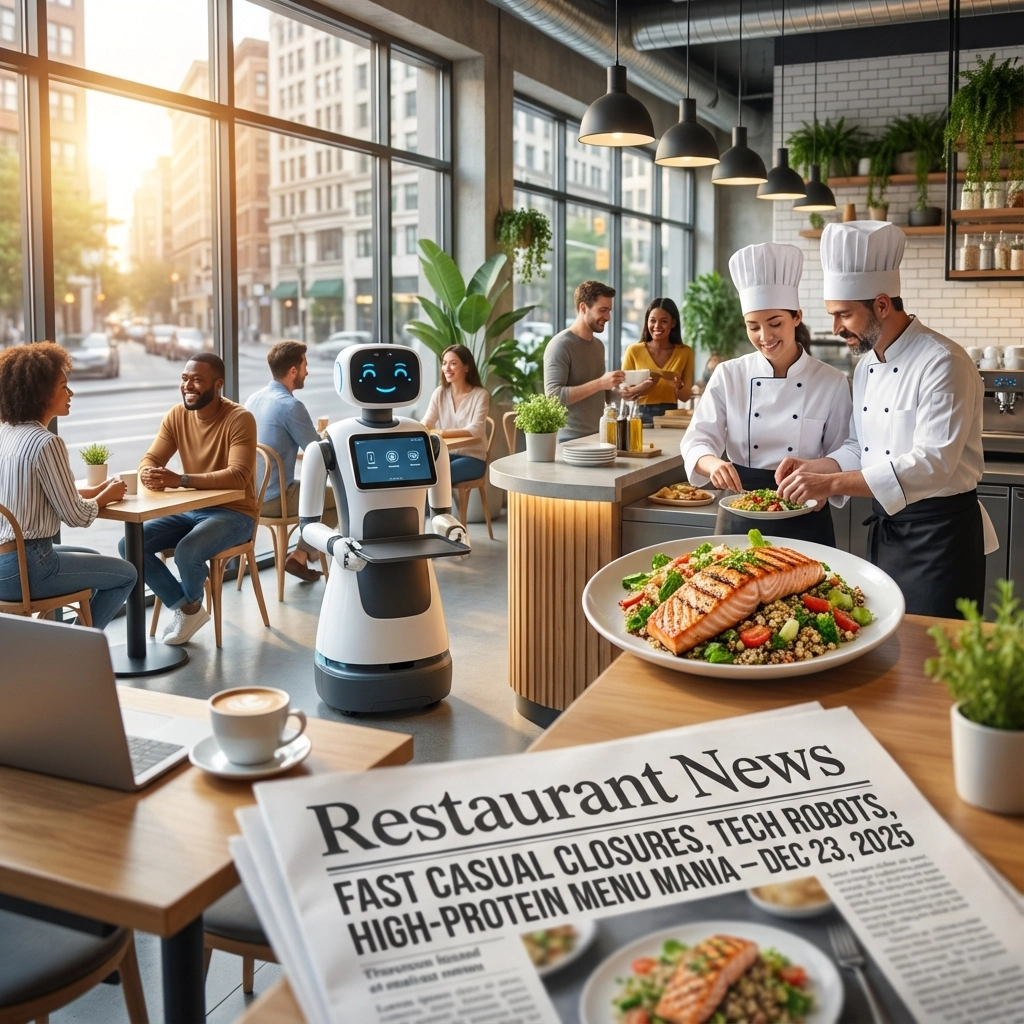
The restaurant industry never sleeps, and this December is proving to be one of the most eventful months of 2025. From major chain closures reshaping the fast-casual landscape to delivery robots rolling down Miami streets, the industry is experiencing seismic shifts that will define the next chapter of foodservice. Let's dive into the three biggest stories making waves right now.
Fast Casual Shakeup: The Domino Effect Continues
The restaurant closure trend that began with Jack in the Box's announcement to shutter up to 200 locations has created ripple effects across the fast-casual sector. What started as one company's strategic pivot has revealed deeper systemic issues plaguing mid-sized restaurant chains throughout Texas, Pennsylvania, and California.

The Numbers Tell a Sobering Story
Industry data from the National Restaurant Association shows that fast-casual brands with 50-500 locations are experiencing the highest closure rates in 2025, with a staggering 15% of units in this category either closed or announced for closure. The reasons are multifaceted but consistent across markets: labor shortages, supply chain disruptions, and rising operational costs that have squeezed profit margins to unsustainable levels.
In Texas alone, three mid-sized chains announced significant downsizing this month. Coastal Grill, a popular seafood-focused concept with 87 locations, is closing 22 underperforming units across Dallas and Houston. Similarly, Garden Fresh Express, known for its customizable salad bowls, shuttered 18 of its 45 Pennsylvania locations, citing "unprecedented labor costs and supply chain volatility."
Labor Crisis Reaches Tipping Point
The labor shortage that has plagued restaurants since 2020 has intensified in specific markets. According to recent data from the Bureau of Labor Statistics, restaurant employment in California remains 8% below pre-pandemic levels, while wage inflation has increased operational costs by an average of 23% across fast-casual concepts.
"We're seeing a perfect storm of factors," explains Sarah Martinez, restaurant industry analyst at Technomic. "Fast-casual brands expanded aggressively in 2018-2019, often in secondary markets that are now proving unsustainable. Add persistent labor challenges and supply chain costs that are 18% higher than pre-pandemic levels, and you have a recipe for widespread consolidation."
The impact extends beyond individual brands. Real estate analysts report that former restaurant spaces in strip malls and lifestyle centers are taking 40% longer to find new tenants, creating commercial real estate challenges in suburban markets that relied heavily on these dining concepts.
Tech & Automation Revolution: Robots Hit the Streets
While some restaurants struggle with traditional operational challenges, others are embracing radical technological solutions that seemed like science fiction just five years ago. December has marked a watershed moment for restaurant automation, with delivery robots officially launching in Miami and Phoenix, and major tech integrations reshaping how restaurants operate.

Delivery Robots Go Mainstream
Miami Beach became the first major tourist destination to deploy autonomous delivery robots for restaurant orders this month. The pilot program, featuring sleek six-wheeled units from Starship Technologies, covers a 12-square-mile area encompassing South Beach and downtown Miami. Initial results show 94% successful delivery rates and average delivery times of 22 minutes – significantly faster than traditional delivery during peak hours.
Phoenix's deployment focuses on suburban neighborhoods, with robots serving a 15-mile radius around Arizona State University. Early adopters report high customer satisfaction, particularly among Gen Z consumers who view robot delivery as both convenient and entertaining.
"The technology has finally reached the reliability threshold," says Dr. James Chen, robotics expert at MIT. "These aren't experimental prototypes anymore. They're production-ready solutions that solve real operational problems for restaurants."
DoorDash's Strategic Pivot
DoorDash's expansion beyond simple delivery into comprehensive restaurant technology represents perhaps the most significant industry development of 2025. The company's recent acquisitions and partnerships signal an ambitious plan to become the primary tech infrastructure provider for restaurant operations.
The new DoorDash for Business platform integrates point-of-sale systems, inventory management, customer relationship management, and delivery logistics into a single ecosystem. Early testing with 500 restaurant partners shows average efficiency gains of 28% and reduced operational complexity that particularly benefits multi-location operators.
Toast and Square's Power Play
The announcement of a strategic partnership between Toast and Square creates a formidable force in restaurant technology. The collaboration combines Toast's restaurant-specific expertise with Square's broader payment and business management capabilities, targeting the massive market of multi-location restaurant chains.
The integrated platform promises seamless data flow between locations, centralized menu management, and sophisticated analytics that can track everything from ingredient costs to customer lifetime value across an entire restaurant portfolio. Beta testing with regional chains shows promising results, with participating restaurants reporting 15% improvements in operational efficiency and 12% increases in average ticket size through better upselling capabilities.
Menu Innovation: The Protein Revolution and Holiday Battles
The food industry's obsession with protein has reached new heights this December, led by Chipotle's unconventional "meat in a cup" concept and a broader industry pivot toward high-protein offerings. Meanwhile, traditional holiday promotions from McDonald's and Starbucks are taking new forms as brands compete for consumer attention in an increasingly crowded marketplace.

Chipotle's Protein Gambit
Chipotle's "meat in a cup" launch represents one of the boldest menu innovations of 2025. The concept, which serves seasoned proteins without rice, beans, or traditional toppings, targets fitness enthusiasts and keto dieters who want maximum protein with minimal carbohydrates.
Early sales data reveals surprising success across demographic groups. While the target audience of fitness enthusiasts makes up 35% of purchases, busy professionals seeking quick, high-protein meals represent another 28% of sales. The average protein cup contains 45-52 grams of protein and has become particularly popular as a post-workout meal.
"We're seeing fundamental shifts in how consumers think about fast-casual meals," explains Rebecca Thompson, food trend analyst at Mintel. "The traditional 'bowl' format is being deconstructed. Consumers want customization that aligns with specific dietary goals, not just flavor preferences."
The success has prompted competitors to develop similar offerings. Qdoba tested "Protein Power Bowls" in select markets, while Moe's Southwest Grill announced plans for a high-protein menu section launching in Q1 2026.
McDonald's and Starbucks Holiday Strategy
This year's holiday promotions reflect a more sophisticated approach to seasonal marketing. McDonald's departed from traditional limited-time offerings to launch "Holiday Value Days," featuring different promotional pricing each day in December. The strategy targets inflation-conscious consumers while maintaining profit margins through dynamic pricing models.
Starbucks took a different approach with "Holiday Rewards Amplified," doubling rewards points for specific drink categories each week. The program leverages the company's robust mobile app ecosystem to drive customer engagement and increase visit frequency during the crucial holiday period.
Industry-Wide Protein Push
The high-protein trend extends far beyond Chipotle. Industry research shows that 67% of consumers actively seek high-protein options when dining out, up from 43% in 2023. This shift has prompted menu innovations across multiple segments:
- Sweetgreen introduced "Protein Plates" featuring double protein servings
- Panera expanded its "Power Menu" with six new high-protein options
- Even Taco Bell tested "Protein Packs" in West Coast markets
The trend reflects broader consumer health consciousness, with protein positioned as the macronutrient most associated with satiety, muscle building, and weight management.
Looking Ahead: Industry Transformation Accelerates
These December developments illustrate an industry in rapid transformation. The simultaneous occurrence of widespread closures, technological advancement, and menu innovation suggests that 2026 will be defined by winners and losers – restaurants that successfully adapt to changing consumer expectations and operational realities versus those that cling to outdated models.
The successful concepts of tomorrow will likely combine operational efficiency through technology, menu innovation that meets specific consumer needs, and sustainable business models that can weather economic volatility. For restaurant operators, investors, and industry professionals, December 2025 has provided a preview of the future – and it's arriving faster than anyone expected.
For more insights on restaurant industry trends and revenue optimization strategies, visit Restaurant Revenue Incubator.