Restaurant Technology · Uncategorized
December 12 Restaurant Industry Snapshot: Closures, Expansion, Automation & More
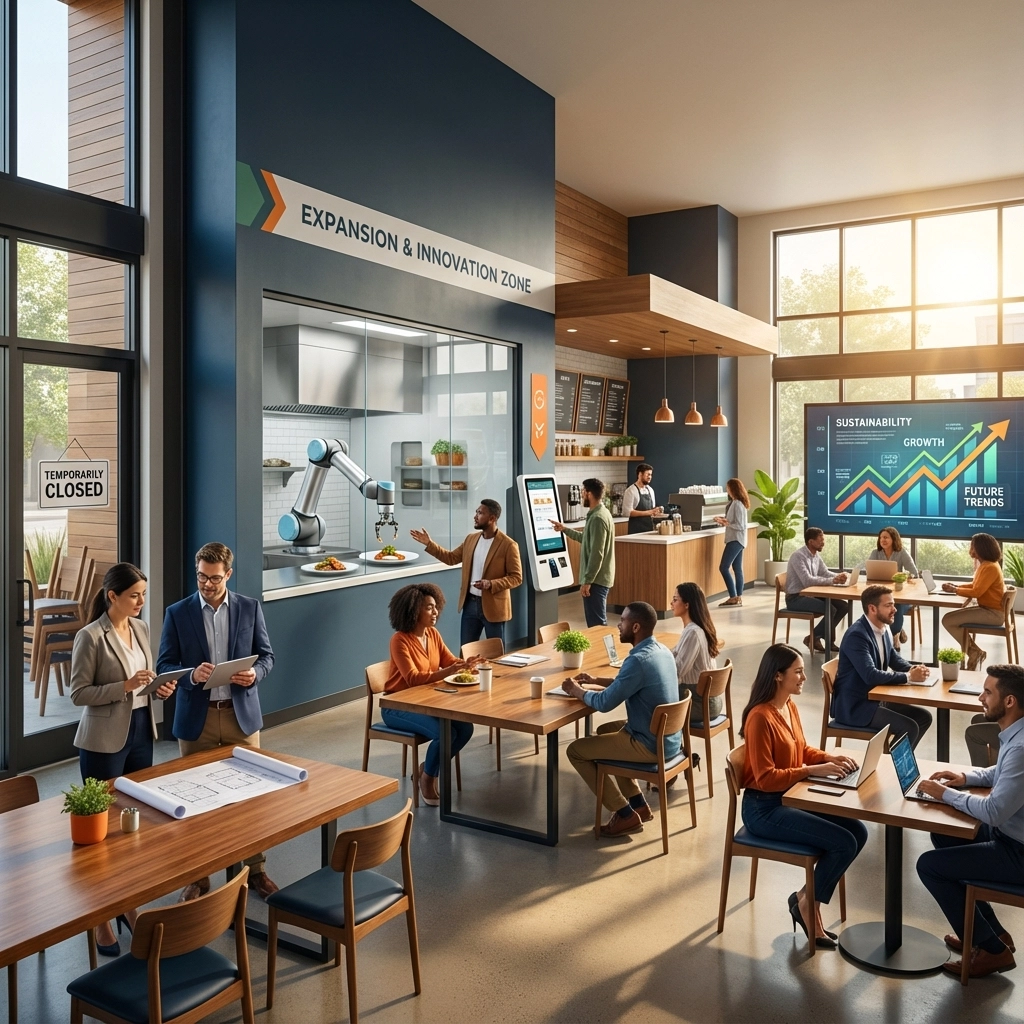
The restaurant industry is experiencing a whirlwind of changes as we wrap up 2025, with major chains making strategic pivots, closures reshaping the landscape, and technology transforming operations. Today's restaurant news brings a mix of challenges and opportunities that every operator should understand.
Wendy's "Project Fresh" Accelerates Store Closures
Wendy's is moving forward with plans to close 200-300 underperforming locations as part of their "Project Fresh" turnaround strategy. The restaurant closures 2025 initiative focuses on shutting down older, lower-performing units while investing in newer, higher-volume locations to better compete with McDonald's and Burger King.
This strategic downsizing isn't necessarily a sign of weakness: it's about optimizing the footprint for maximum efficiency. The closed locations typically generate lower average unit volumes (AUVs) and require significant capital investment to modernize. By concentrating resources on stronger performers, Wendy's aims to improve overall brand performance and profitability.
For restaurant operators, this move highlights the importance of regular location performance analysis. Underperforming units can drain resources from more successful operations, and sometimes strategic closure is the right business decision.

KFC's Staggering Global Expansion Continues
On the opposite end of the spectrum, KFC is opening a new restaurant every 3.5 hours globally, setting an impressive pace that outstrips most competitors. This mind-boggling expansion focuses heavily on international markets, where the "finger-lickin' good" brand continues to resonate strongly with consumers.
KFC's success demonstrates the power of a "bigger is better" strategy in the QSR trends landscape. While many brands are consolidating domestically, KFC is proving that aggressive international expansion can drive significant growth when executed with the right local market understanding and operational excellence.
The brand's expansion strategy emphasizes franchise development, allowing for rapid scaling while minimizing corporate capital requirements. This model has proven particularly effective in emerging markets where local partnerships provide crucial market knowledge and operational support.
Zaxby's Exceeds Franchise Growth Expectations
Speaking of franchise success, Zaxby's has added more than 120 new franchise units in 2025: surpassing their original growth projections. The chicken chain credits new drive-thru designs and strong average unit volumes for attracting quality franchise partners.
Zaxby's franchise expansion 2025 success story offers valuable lessons for emerging brands. Their focus on streamlined operations, proven unit economics, and franchisee support systems has created a compelling investment opportunity that attracts experienced multi-unit operators.
The brand's growth comes at a time when the fast-casual industry faces headwinds, proving that strong operational fundamentals and differentiated positioning can overcome broader category challenges. Zaxby's emphasis on drive-thru optimization has been particularly smart, aligning with consumer preferences for convenience and speed.
Sweetgreen's Strategic Tech Pivot
Sweetgreen made headlines by selling its Infinite Kitchen robotic technology to Wonder for $186 million while simultaneously licensing the technology back for continued use. This strategic move allows Sweetgreen to monetize its automation in restaurants innovation while maintaining access to the efficiency benefits.
The Sweetgreen tech sale represents a broader trend of restaurants becoming technology companies and then strategically divesting non-core assets. By selling the technology while retaining usage rights, Sweetgreen generates immediate capital while focusing on core restaurant operations rather than technology development.
This deal highlights how automation in restaurants continues evolving from a competitive advantage to a shared industry resource. As technology costs decrease and accessibility increases, the competitive moat from proprietary restaurant tech may be narrowing.

Cracker Barrel Returns to Southern Heritage
After struggling with rebranding efforts and declining sales, Cracker Barrel is doubling down on its Southern heritage and comfort food roots. The family dining chain has added kids' meal toys and is emphasizing nostalgic elements that made the brand successful.
Cracker Barrel's pivot back to its core identity serves as a cautionary tale about straying too far from brand DNA. When faced with declining traffic and sales, the temptation to completely reinvent the concept can be strong, but sometimes the answer lies in executing the original concept better rather than changing it entirely.
The addition of kids' meal toys and enhanced family-friendly positioning shows how small operational changes can support broader brand positioning without requiring massive overhauls. For restaurant operators, this reinforces the importance of understanding what originally made your concept successful before making dramatic changes.
The Reality of AI in Restaurant Labor
While agentic AI in restaurant labor continues generating buzz, new research reveals that less than 5% of customers want full automation in their dining experience. Quick-service restaurants are adopting AI for back-of-house operations and order taking, but the human element remains crucial for hospitality.
The most successful AI implementations focus on enhancing rather than replacing human capabilities. Drive-thru AI systems can handle routine orders while freeing staff for more complex customer interactions. Kitchen automation can improve consistency while allowing cooks to focus on quality control and special requests.
For operators considering AI adoption, the key is finding the right balance between efficiency and hospitality. Technology should solve specific operational pain points without compromising the customer experience that keeps guests returning.
Pieology's Bankruptcy Reinforces Pizza Challenges
Pieology Pizza's bankruptcy filing adds another casualty to the "fast-casual pizza" graveyard, reinforcing how difficult it is to find sustainable success in this competitive segment. Despite numerous attempts, no chain has successfully become the "Chipotle of pizza."
The fast-casual industry continues facing pressure from both quick-service and casual dining alternatives. Pizza, in particular, faces intense competition from established delivery players, frozen options, and the difficulty of creating a differentiated experience around a commodity product.
Pieology's failure demonstrates that even with solid initial growth and investment backing, operational execution and unit economics ultimately determine success. The lesson for operators is that concept validation requires more than just initial consumer interest: it requires sustainable profitability at scale.

Subway's Rewards Controversy
Subway has rolled out an extra-generous Sub Club rewards program that has franchisees concerned about profit erosion while customers flock for free footlongs. This tension between customer acquisition and franchisee profitability highlights a common challenge in franchise systems.
Aggressive promotions can drive short-term traffic but may create long-term sustainability issues if they significantly impact unit economics. The most effective loyalty programs balance customer value with operational profitability, often through increased frequency rather than discounted pricing.
Industry Implications and Outlook
These developments paint a picture of an industry in transition, where successful operators are focusing on operational excellence, strategic positioning, and careful technology adoption. The contrast between KFC's expansion success and Pieology's bankruptcy shows that execution matters more than category trends.
Restaurant news continues highlighting the importance of understanding local market dynamics, maintaining operational discipline, and staying true to brand positioning while adapting to changing consumer preferences. The winners are those who can balance innovation with proven fundamentals.
For restaurant operators, the key takeaways include the importance of location optimization, the value of strong franchise systems, the need for strategic technology adoption, and the dangers of losing sight of core brand identity. As the industry continues evolving, these fundamental principles remain crucial for sustainable success.
The restaurant landscape of 2025 rewards operators who can execute consistently while adapting thoughtfully to changing market conditions. Whether you're considering expansion, technology adoption, or menu innovation, the lessons from today's industry leaders provide valuable guidance for navigating these dynamic times.