Restaurant Technology · Uncategorized
10 Reasons Your Triple Bottom Line Strategy Isn’t Working (And How to Fix It)
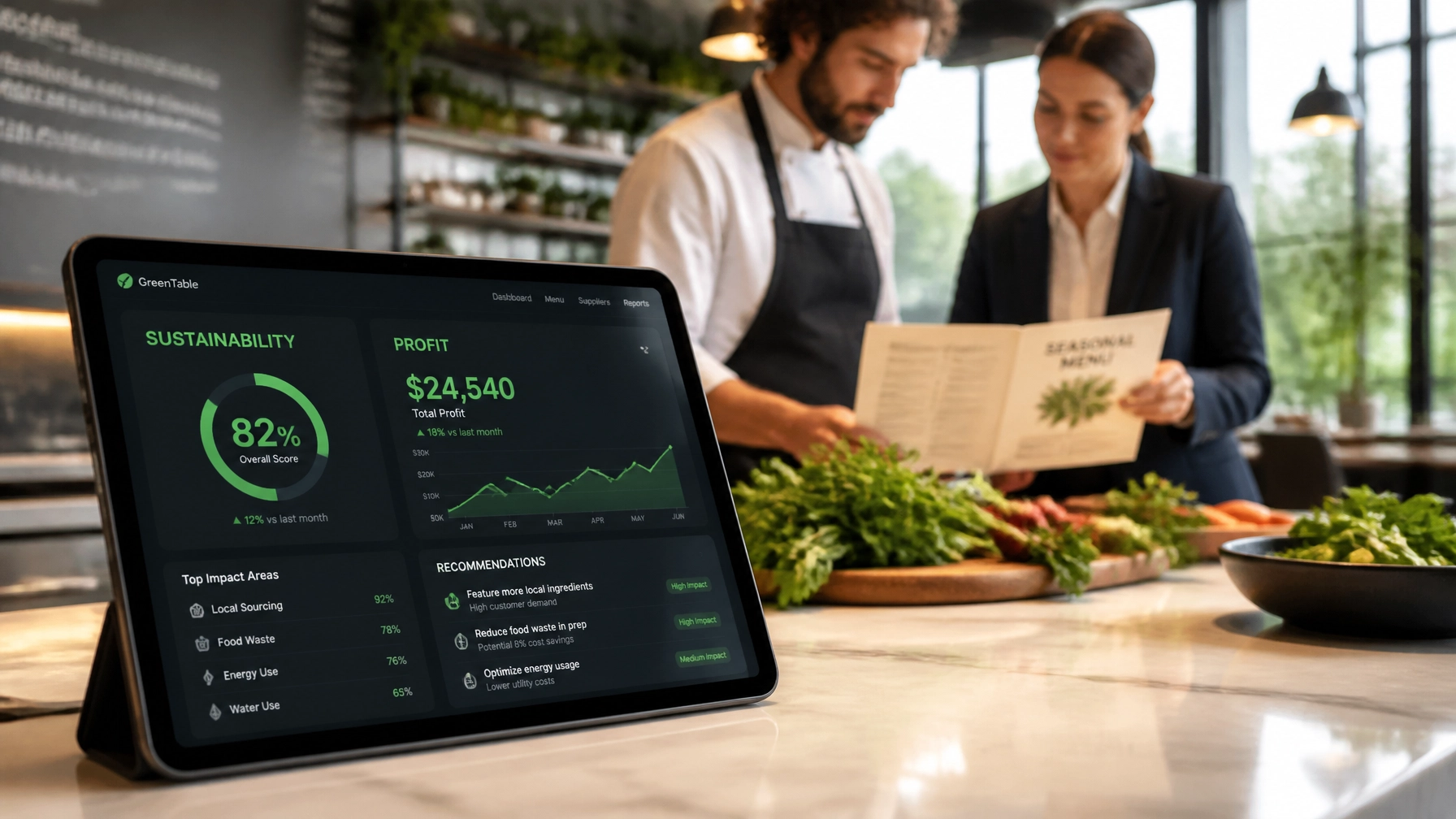
Let’s be honest: in the restaurant business, "sustainability" often feels like that one piece of expensive kitchen equipment you bought three years ago that’s currently gathering dust in the back. You wanted it to work. You knew it was the right thing to do. But somewhere between the 14-hour shifts, the rising cost of organic kale, and the walk-in cooler dying on a Saturday night, your "Triple Bottom Line" (TBL) strategy: Profit, People, and Planet: got shoved behind a stack of recycled napkins.
If your sustainability efforts currently consist of a "compost" bin that everyone throws plastic into and a staff that looks more burned out than a forgotten burger on the grill, you aren't alone. Most TBL strategies fail because they are treated as an "extra" rather than an engine.
At Restaurant Revenue Incubator, we see it every day. We help operators scale their concepts by focusing on what actually moves the needle. Here are 10 reasons your TBL strategy is failing and, more importantly, how to fix it without losing your mind: or your margins.
1. You Think "Profit" is Optional
The biggest mistake? Treating the "Profit" part of the Triple Bottom Line as the dirty secret. TBL isn't a charity project; it’s a business framework. If your green initiatives are bleeding cash, they aren't sustainable. Eventually, you’ll have to cut them to keep the lights on.
The Fix: Every sustainability move must have a business case. If you’re switching to a more expensive local vendor, you need to re-engineer your menu to offset that cost or market the story so effectively that guests are willing to pay a premium. Profit is the fuel that allows you to help People and the Planet.
2. Your Goals are Vague (and Your Data is Worse)
"We want to be more eco-friendly" is not a strategy. It’s a wish. Without hard metrics, your TBL efforts are just expensive vibes. If you aren't tracking waste per cover or energy usage per square foot, you don't have a plan; you have a hobby.

The Fix: Create a "3-P Dashboard." Pick two KPIs for each category. For Planet, track food waste weight. For People, track staff turnover. For Profit, track your gross margin per cover. If you can't measure it, you can't manage it. We actually offer a free P&L and tech stack review to help you find these hidden leaks.
3. You’re Sourcing for the Soul, but Not for the System
Buying local and organic is great for the "Planet" and "People" lines, but it can be a "Profit" killer if your menu isn't designed for it. Most operators buy expensive ingredients and try to fit them into a rigid, 50-item menu.
The Fix: Menu engineering. If you’re moving to seasonal, local sourcing, your menu needs to be flexible. Smaller menus mean less inventory, less spoilage, and higher quality. It also reduces the "Planet" impact by lowering transportation emissions. It’s a win-win-win.
4. Your Tech Stack is a Fossil
You can’t run a modern TBL strategy on an 11-year-old POS system and a clipboard. If your tech doesn't talk to each other, you’re losing hours of labor (People) and missing out on waste-reduction data (Planet/Profit).
The Fix: Audit your tech. AI-driven inventory management and smart HVAC systems can pay for themselves in months. We specialize in full tech stack leadership to ensure your tools are actually working for you, not the other way around.
5. "Greenwashing" Fatigue is Real
Guests and staff can smell a PR stunt from a mile away. If you’re using plastic straws but claiming to be a "green" leader because you have one vegan salad, you’re losing trust.
The Fix: Radical transparency. Don't claim to be perfect; claim to be better. Share your actual progress. "We haven't figured out a plastic-free delivery container yet, but we reduced our kitchen food waste by 15% this month." Authenticity builds loyalty that a plaque on the wall never will.
6. Your Staff Thinks Sustainability is "Extra Work"
If your team sees TBL as "just another thing the boss wants us to do," it will fail. In a high-turnover industry, your "People" strategy is your most valuable asset.

The Fix: Incentivize the results. Give the kitchen a bonus if they hit a waste reduction target. Share the "Profit" gains with the "People" who made it happen. When sustainability becomes a culture of shared success, it sticks.
7. You’re Starved for Growth Capital
Most "Planet" and "People" improvements: like energy-efficient equipment or better staff benefits: require upfront cash. If your margins are tight, you feel like you can't afford to grow or improve.
The Fix: Use alternative funding. At Restaurant Revenue Incubator, we provide capital in exchange for food & beverage credits. No interest, no equity, no dilution. It’s the ultimate way to fund your TBL upgrades without taking on traditional debt.
8. Complexity Overload
Trying to go zero-waste, carbon-neutral, and B-Corp certified in one month is a recipe for a breakdown. You can't fix everything at once.
The Fix: The 90-day pilot. Pick one thing. Maybe it’s just a waste audit. Maybe it’s just changing your lightbulbs and fixing the leaky faucets. Prove the ROI on one small thing, then use those savings to fund the next step.
9. You’re Ignoring the Supply Chain Reality
You want to be sustainable, but your main vendor just hiked prices by 20% and your "local" guy can't get you enough tomatoes. Supply chain volatility is the silent killer of TBL strategies.
The Fix: Diversify. Don't just rely on one source. Build a "People" network of local producers, but keep your "Profit" protected by having a tech-enabled procurement strategy that alerts you to price swings before they hit your P&L.
10. You’re Trying to Do It All Yourself
Restaurant owners are famous for trying to be the chef, the accountant, the plumber, and the sustainability expert. There aren't enough hours in the day.

The Fix: Partner up. You wouldn't perform surgery on yourself; don't try to "turnaround" a complex business without a team. We offer a risk-free approach: we only ask for a share of the results we create. No upfront retainers. We can turn businesses around in under two weeks because we’ve spent 50 years in the trenches.
The Bottom Line (All Three of Them)
A Triple Bottom Line strategy isn't about being a "nice" business; it's about being a smart business. When you reduce waste, you increase profit. When you take care of your people, you reduce turnover costs. When you optimize your tech, you gain time.
If your strategy isn't working, it’s probably because it’s disconnected from your daily operations. It’s time to stop treating sustainability as a side project and start treating it as your competitive advantage.

Ready to see where your restaurant is leaking cash?
We’ll review your tech stack and P&L at no cost. Let’s build a growth plan that actually works: for your wallet, your team, and the world.
Contact Restaurant Revenue Incubator today for a free assessment.